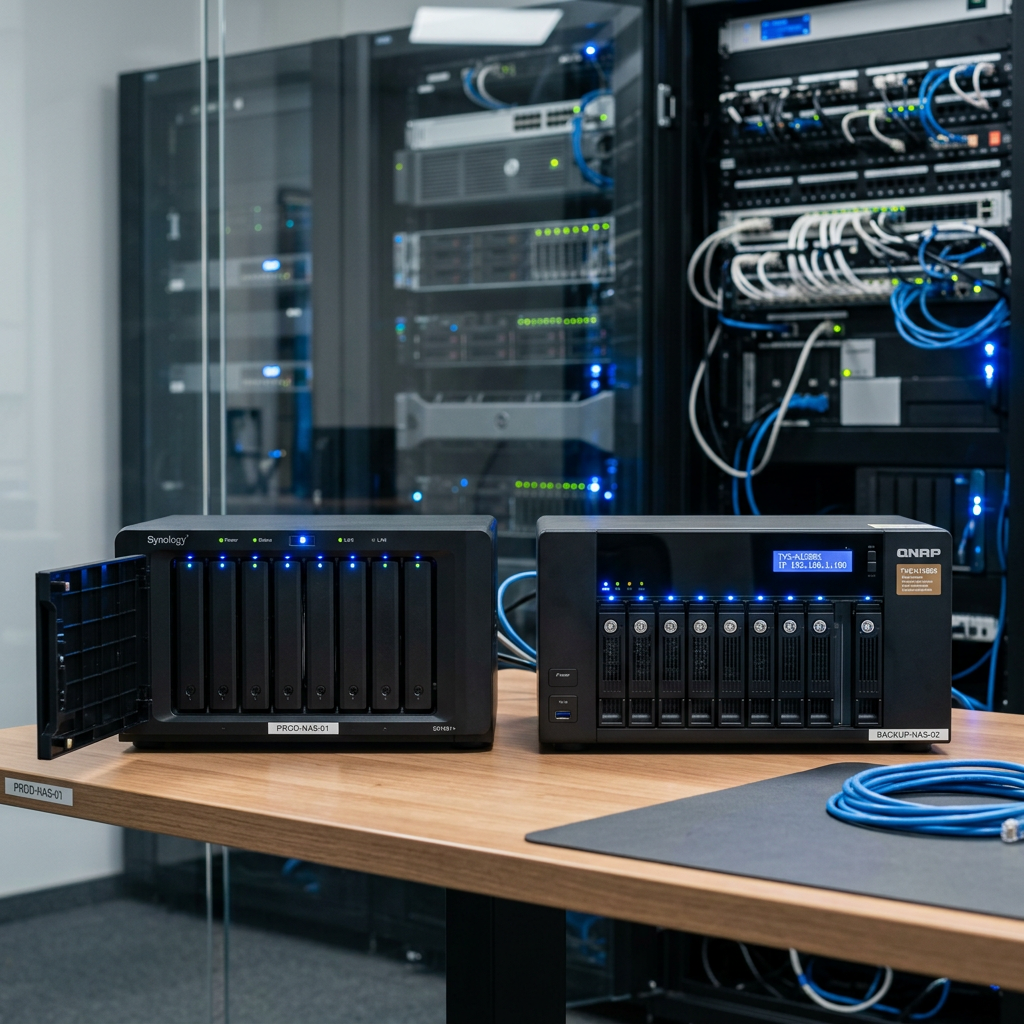




A RAID failure rarely arrives at a convenient time. A NAS may suddenly show degraded volumes, a server may refuse to mount, or shared business folders may disappear just as staff need them. When this happens, the immediate question is usually: how much does RAID recovery cost? The honest answer is that professional RAID recovery pricing depends on the fault, the array design and the condition of every member drive.
For Australian businesses and professionals, RAID recovery commonly costs more than single-drive recovery because the work is not limited to extracting files from one device. A specialist may need to diagnose several drives, stabilise failing hardware, rebuild the correct array structure virtually, and validate recovered data before it is returned.
Typical RAID recovery costs in Australia
A straightforward RAID recovery may begin around $1,000 to $2,000, particularly where all drives are physically healthy and the problem is logical - such as accidental deletion, corruption, a failed controller or lost RAID configuration. More involved cases commonly sit between $2,000 and $5,000 or more.
Complex enterprise arrays, severely damaged drives, encrypted volumes, multiple failed disks, or arrays requiring extensive clean-room work can exceed this range. The final cost should be based on an assessment, not a guess made from the number of bays in a NAS or server.
That range can feel broad, but it reflects the difference between rebuilding a four-disk RAID 5 after a controller fault and recovering a six-disk array with two mechanically failing drives. Both may look like a “RAID issue” to the user. Technically, they are very different jobs.
Why RAID data recovery costs more than a standard hard drive recovery
RAID systems distribute data across multiple disks to improve performance, capacity, redundancy, or a combination of these. When the system fails, a recovery specialist must determine how the data was arranged before files can be reconstructed correctly.
The process may involve identifying the RAID level, disk order, stripe size, parity rotation, offset and file system. These settings are not always obvious, especially after a failed rebuild, controller replacement or accidental reconfiguration. Getting one parameter wrong can produce corrupted folders, incomplete files or apparently valid data that is unusable.
Each drive also needs individual assessment. A RAID 5 may survive one drive failure in normal operation, but a second marginal drive can make recovery much more difficult. A drive that is clicking, slow to read or repeatedly disconnecting is not something to keep powering on while attempting a rebuild. It may require careful imaging before virtual reconstruction can begin.
The factors that determine how much RAID recovery costs
RAID level and number of drives
A two-drive RAID 1 mirror is often less complex than RAID 5, RAID 6, RAID 10 or a proprietary NAS configuration. With RAID 1, data may be recoverable from one healthy member disk. With parity-based arrays, data is spread across all disks, so the condition and readability of each member drive matter.
More drives do not automatically mean a higher price, but they usually create more diagnostic and reconstruction work. Arrays with six, eight or more drives may also hold substantially larger volumes of business data, which can extend imaging and verification time.
Physical condition of the member drives
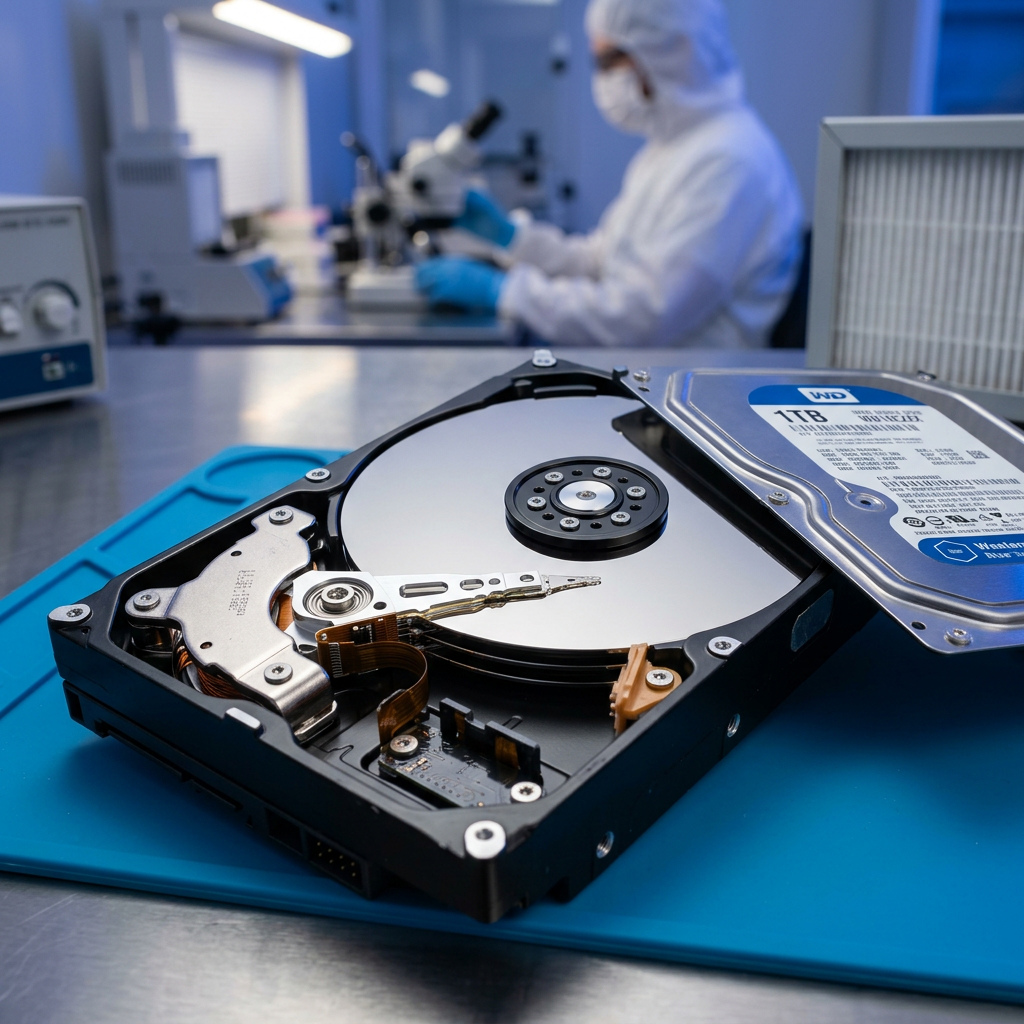
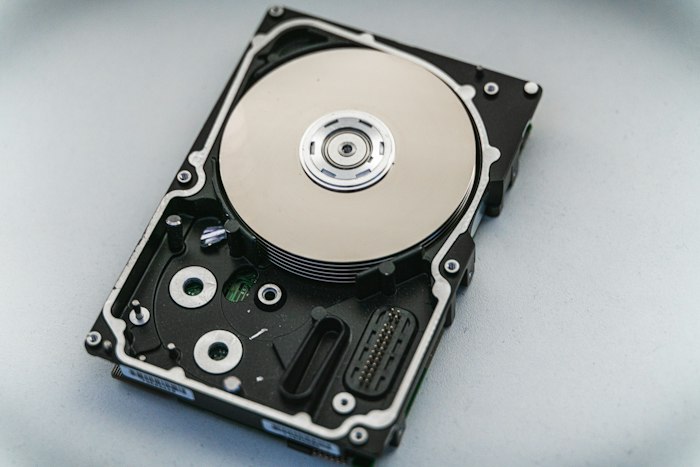
Physical drive faults have a major effect on cost. If a disk has bad sectors, firmware issues, damaged heads, seized components or electronic failure, specialist tools and controlled procedures may be required to obtain a stable image.
The safest recovery route is generally to work from clones or images rather than repeatedly operate on original drives. This protects the remaining readable data and avoids introducing further damage while the RAID is being analysed.
Logical damage and failed rebuilds
Logical faults are often less expensive than physical failures, but they can still be complex. Common examples include deleted volumes, corrupted file systems, controller faults, damaged partition tables, missing RAID metadata and NAS operating system issues.
A failed rebuild can raise the stakes quickly. Rebuilding onto the wrong disk, replacing disks in the wrong order, initialising an array, or accepting a NAS prompt to create a new volume may overwrite the very information needed to reconstruct the original layout. Stop the process as soon as possible and preserve every original disk.
Capacity, data type and validation requirements
Large arrays take longer to image and scan. The value of the data also changes the recovery approach. A business may need databases, virtual machines, accounting files, project folders or surveillance footage checked for consistency, rather than receiving a large folder of unverified files.
For photographers, architects and video teams, file validation matters too. A recovered directory structure is useful only if the RAW files, project assets or footage can open correctly. The more detailed the verification required, the more time may be involved.
Urgency and turnaround expectations
Standard service is usually the most economical option. Emergency or priority recovery may cost more because it requires resources to be allocated immediately and work to continue outside normal queues.
Urgency should be discussed early. If a business can operate from a recent backup or temporary system, standard turnaround may be sensible. If payroll, client records, production systems or a critical deadline are affected, expedited recovery may be justified.
What should be included in a professional RAID recovery quote?
A useful quote should explain what has been found, the likely recovery approach, the expected service level and the estimated cost before substantive recovery work proceeds. It should also make clear whether the price covers diagnosis, physical drive work, logical reconstruction, recovered-data transfer and verification.
Ask whether the quote is conditional on successful recovery, how recovered data will be supplied, and whether a replacement storage device is included or charged separately. A reputable provider should be clear about assumptions, particularly if one or more drives have not yet been fully assessed.
Be cautious with unusually cheap fixed prices. RAID recovery is specialised technical work, and a price that does not allow for diagnosis, imaging and reconstruction can lead to rushed handling or unexpected additions later. The lowest quote is not necessarily the lowest business cost if it risks making data less recoverable.
What to do before sending a RAID or NAS for recovery
The actions taken immediately after a failure can affect both recoverability and cost. Do not initialise, format or rebuild the array. Do not swap drive positions, replace more drives than necessary, or run repair utilities against the original disks unless directed by a recovery specialist.
Label each drive according to its bay position before removing it. Keep the drives together, include the NAS or RAID controller where practical, and record any error messages, warning lights and recent events such as a power outage, failed update or disk replacement. This information can save valuable diagnostic time.
If the array is still accessible, avoid writing new data to it. A technician may be able to advise on safe shutdown and transport arrangements based on the device type and symptoms.
Is professional RAID recovery worth the cost?
The better comparison is not the cost of a replacement NAS or a set of new hard drives. It is the cost of losing the data stored on them. For a small business, inaccessible client files, financial records, shared documents and operational systems can create downtime that quickly outweighs recovery fees. For a creative professional, the lost work may be impossible to recreate.
A professional assessment gives you a clear basis for deciding. It identifies whether the array is likely recoverable, what is involved, and whether the expected result justifies the investment. RecoveryGeeks can assess failed RAID and NAS systems for Canberra customers and organisations across Australia, with the aim of preserving the best possible recovery options.
When a RAID system reports a fault, resist the urge to make it healthy again by trial and error. Preserve the original disks, pause rebuild attempts and get an informed assessment before any further changes are made. That decision is often the most valuable part of the recovery process.