




When a hard drive stops showing up, starts clicking, or suddenly asks to be formatted, most people ask the same question within minutes: what is the hard drive data recovery cost? It is a fair question, but there is no single flat price because recovery work depends on what has failed, how badly the drive is damaged, and how much specialist work is needed to retrieve the data safely.
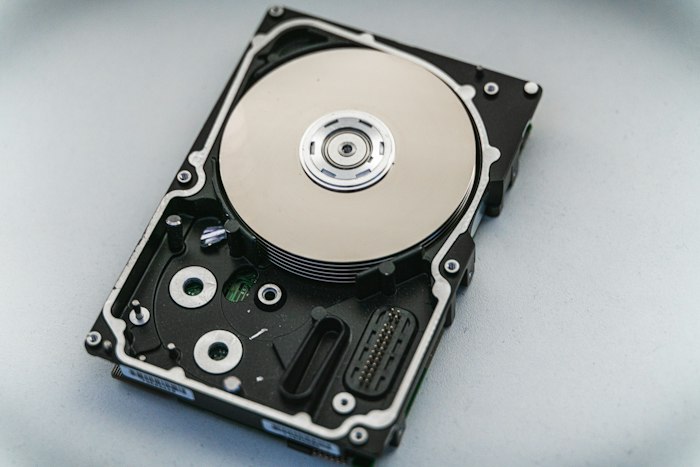
For some cases, the issue is logical rather than physical. The file system may be corrupted, partitions may be missing, or data may have been deleted accidentally. In other cases, the drive has a hardware fault such as failed heads, seized motors, firmware corruption, or platter damage. Those two scenarios sit in very different pricing ranges because the process, risk, equipment, and lab time are completely different.
What affects hard drive data recovery cost?
The biggest factor is the type of failure. A drive with logical corruption is generally less complex than one with internal mechanical damage. If the drive powers on normally and the storage media itself is still physically stable, the recovery path is often more straightforward. Once a drive is clicking, grinding, not spinning, or has suffered a power surge, the work becomes more specialised and the chance of internal damage goes up.
Drive type matters as well. A standard desktop hard drive, a laptop drive, an external USB drive, and a helium-filled enterprise model do not all behave the same way in failure. Some models have known firmware issues. Others require donor parts that are harder to source. Higher-capacity drives can also take longer to image and verify, particularly when they are unstable and need careful handling sector by sector.
The condition of the media is another major pricing variable. A hard drive that has been opened outside a clean environment, dropped while operating, exposed to water, or repeatedly powered on after failure may require more advanced work and may offer lower recovery prospects. In data recovery, every extra attempt made at home can increase both complexity and cost.
Urgency can also change the final figure. If a business server drive fails and the files are needed immediately, priority handling or after-hours work may apply. For a home user with family photos, the same technical problem may cost less if standard turnaround is acceptable. Faster service usually means reshuffling lab resources, which affects pricing.
Typical pricing ranges in Australia
While every case needs assessment, most professional providers work within broad bands. Logical recoveries are usually at the lower end because they do not involve opening the drive or replacing internal parts. Mechanical and electrical failures tend to sit higher because they require specialist diagnostics, controlled-environment work, and often multiple recovery stages.
As a rough guide, simple logical recoveries may start in the low hundreds and move upward depending on capacity and condition. More serious hard drive failures commonly range from several hundred dollars into the low thousands. Cases involving severe platter damage, multiple failed components, or uncommon donor requirements can go beyond that.
This is why very cheap advertised prices should be treated carefully. A low headline figure may only apply to basic software-based recovery, not genuine lab work on failed hardware. In practice, the hard drive data recovery cost should reflect the skill, equipment, and time needed for your specific fault, not a generic promise.
Why some recoveries cost more than expected
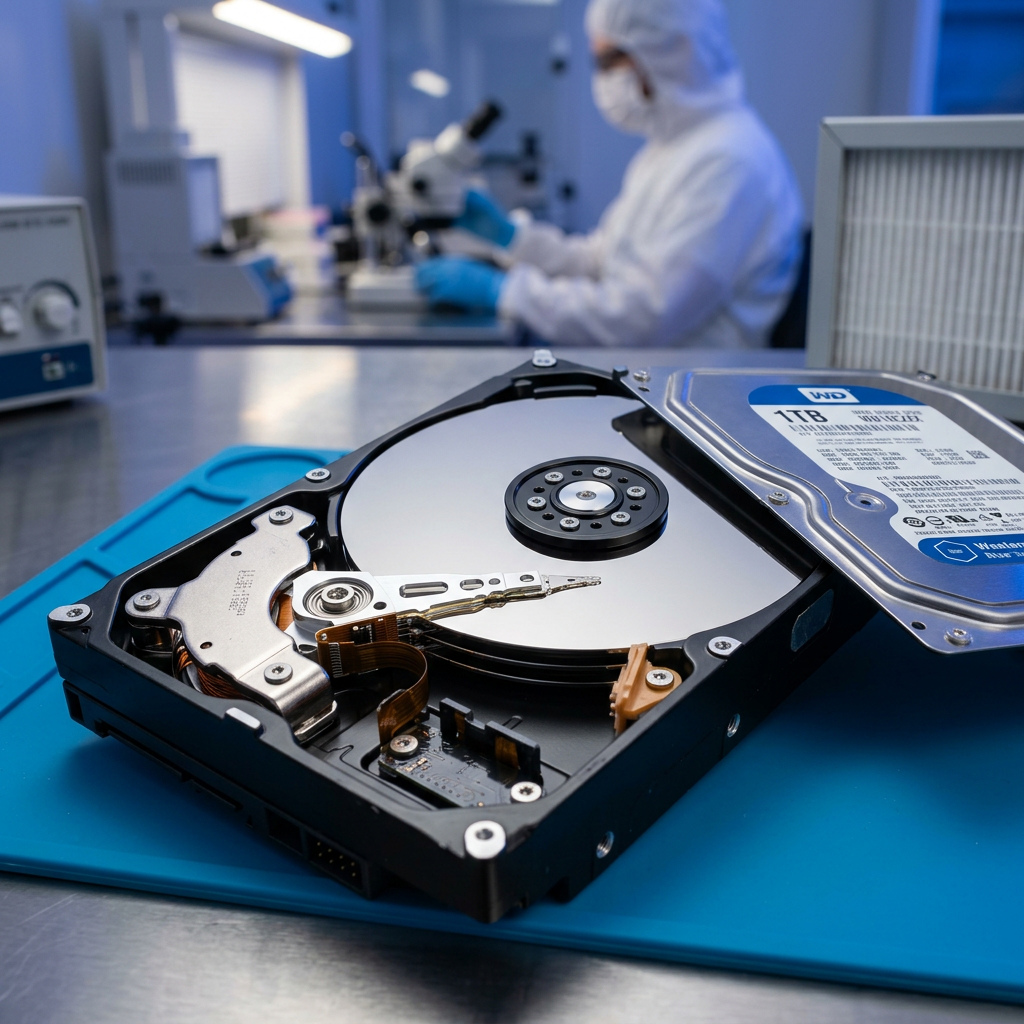
Data recovery is not the same as computer repair. The goal is not to make the drive usable again. The goal is to extract the data without making the damage worse. That distinction matters because failed drives often need non-standard processes, specialist imaging hardware, firmware-level access, controlled cleanroom procedures, and donor matching.
A technician may need to stabilise the drive first, repair firmware access, clone readable sectors in a strategic order, and then reconstruct the file system from partial data. If head replacement is required, there may be more than one attempt involved. Even then, a successful recovery is never guaranteed simply because parts were changed. The pricing reflects both the technical difficulty and the risk of handling fragile media.
There is also a privacy and chain-of-custody element. For businesses, legal offices, medical practices, creative agencies, and IT teams, a professional recovery service must protect confidential data while documenting the work clearly. That level of service carries value beyond simply plugging a drive into software.
Cheap software versus professional recovery
If the drive is healthy and the problem is accidental deletion, software tools can sometimes help. That is the best-case scenario. But software is not appropriate for every failure. If the hard drive is making unusual noises, disappearing from BIOS, causing the computer to freeze, or taking an unusually long time to read, continued DIY attempts can reduce the chance of recovery.
This is where cost and value need to be separated. Free or low-cost software looks attractive, but if it writes to the drive, stresses unstable heads, or causes repeated power cycles, the end result may be a much harder recovery later. Saving a few hundred dollars at the start can lead to a much more expensive lab job, or a lower chance of getting the important files back at all.
For non-critical files, a DIY approach might be acceptable. For business records, client data, research, creative projects, family photos, or anything irreplaceable, professional assessment is usually the safer path.
How providers usually quote recovery work
Most reputable services do not guess blindly. They assess the drive first, identify the likely fault, and then provide a quote based on the complexity of the case. That assessment may include checking power behaviour, firmware response, media access, and signs of physical damage.
In some cases, the provider can give a likely range before inspection, particularly when the symptoms are clear. Still, a proper quote usually comes after diagnostics. That is a good sign, not a red flag. It means the provider is pricing the actual recovery work rather than offering a one-size-fits-all number that may not reflect reality.
It is also worth asking what the quote includes. Some services bundle diagnostics, donor parts, imaging, file extraction, and return media. Others separate them. If you are comparing providers, compare the total process, not just the first number mentioned.
When hard drive data recovery cost is worth paying
Not every failed drive justifies professional recovery. If the data is backed up, easily recreated, or low value, replacing the drive may be the practical decision. But many people only discover the value of their data after it becomes inaccessible. Tax records, design files, archived emails, family videos, client databases, and project documents often matter far more than the physical drive itself.
For businesses, the calculation is usually broader than the device cost. Downtime, lost billable work, compliance exposure, and operational disruption can exceed the recovery fee very quickly. For individuals, the value is often personal rather than financial. A dead external drive full of photos may not look important on a balance sheet, but that does not make it replaceable.
The right question is not only how much does recovery cost. It is also what the missing data is worth, what the risks are if it stays lost, and whether further DIY attempts could make things worse.
How to reduce costs before the drive gets worse
If the drive has failed, stop using it. Do not run repair utilities, do not reformat it, and do not keep rebooting to see if it magically returns. That repeated testing is one of the most common reasons a recoverable case becomes more complex.
Handle the drive carefully and keep it in a stable, dry environment. If it is an external drive, use the original power supply if available, but do not continue plugging it into different computers once it shows clear fault symptoms. If the data matters, arrange a professional assessment early. RecoveryGeeks sees this pattern often - customers who act quickly usually preserve better recovery options than those who spend days trying every internet fix first.
Backups remain the best way to avoid recovery costs altogether, but that advice tends to arrive a bit late once the drive has already failed. In the real world, plenty of people and businesses end up with a single copy of important data. When that happens, the safest next step is usually the one that protects the remaining chance of recovery.
A failed hard drive is stressful enough without vague pricing or false promises. The most useful approach is to treat hard drive data recovery cost as case-based, ask clear questions, and make decisions based on the value of the data rather than the price of the hardware alone.