

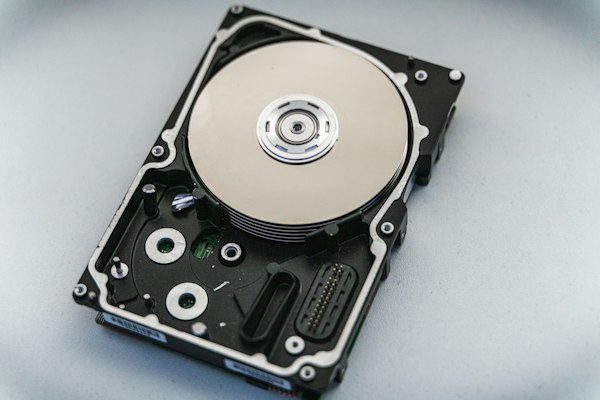

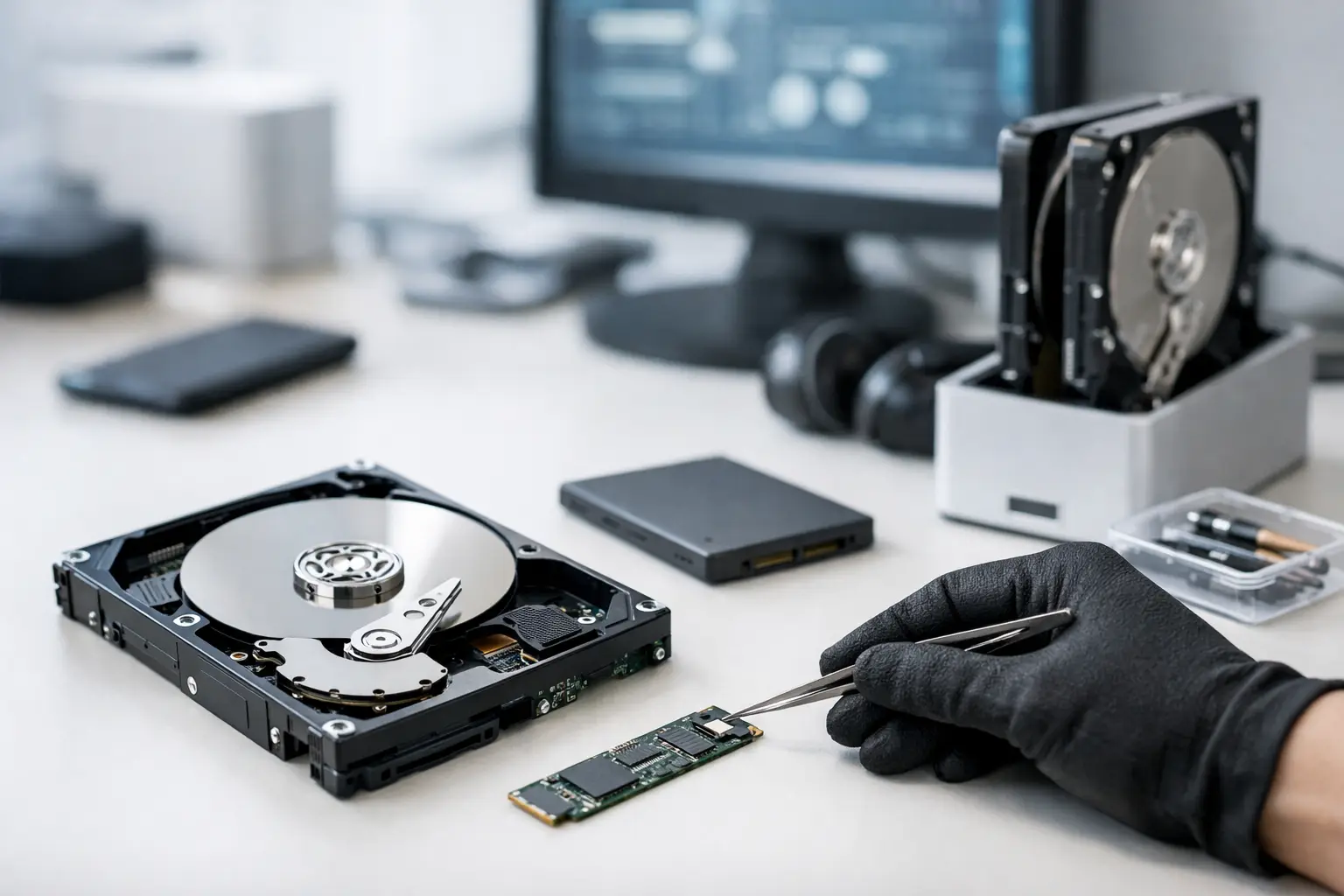
When a hard drive stops spinning, an SSD vanishes from the system, or a RAID goes offline before payroll, the first question is usually not technical - it is financial. Data recovery services cost can vary widely, and that variation often catches people off guard. Two devices may both look "dead" from the outside, yet one is a straightforward logical rebuild and the other requires extensive lab work, donor parts, firmware repair, and days of engineering time.
That is why fixed-price expectations do not always fit this industry. Professional recovery is not a standard repair job where one fault has one known fix. The price depends on what failed, how badly it failed, what equipment is needed to access it safely, and how much work is required to extract usable data.
Why data recovery services cost varies so much
The biggest reason pricing varies is that data loss is a symptom, not a diagnosis. A device can become inaccessible because files were deleted, the file system was corrupted, power damage occurred, internal components failed, or the storage structure itself broke down. Each of those scenarios calls for a very different recovery path.
A logical recovery is usually at the lower end of the cost range. This is where the hardware is still functioning, but the data cannot be accessed normally because of accidental deletion, formatting, corruption, or partition issues. The work is still specialised, but it generally does not require disassembly of the device or clean environment intervention.
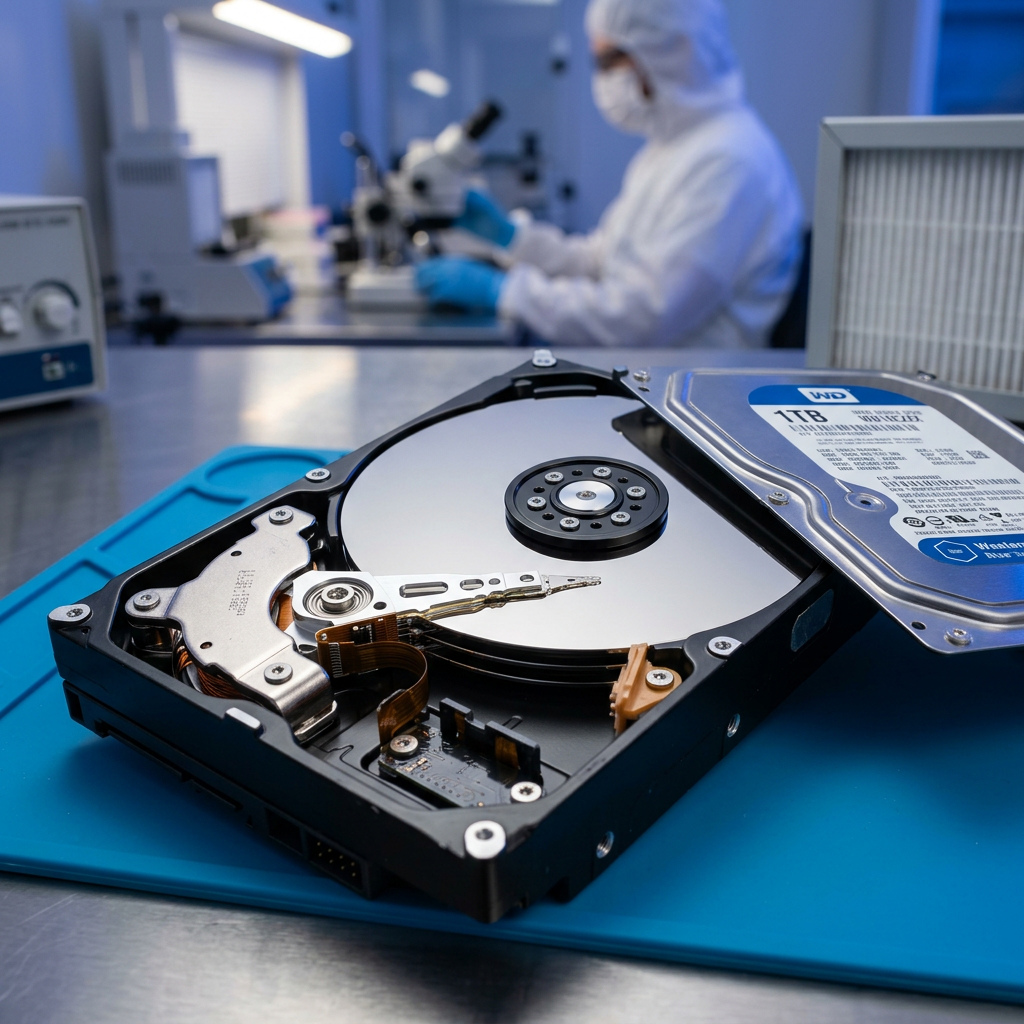
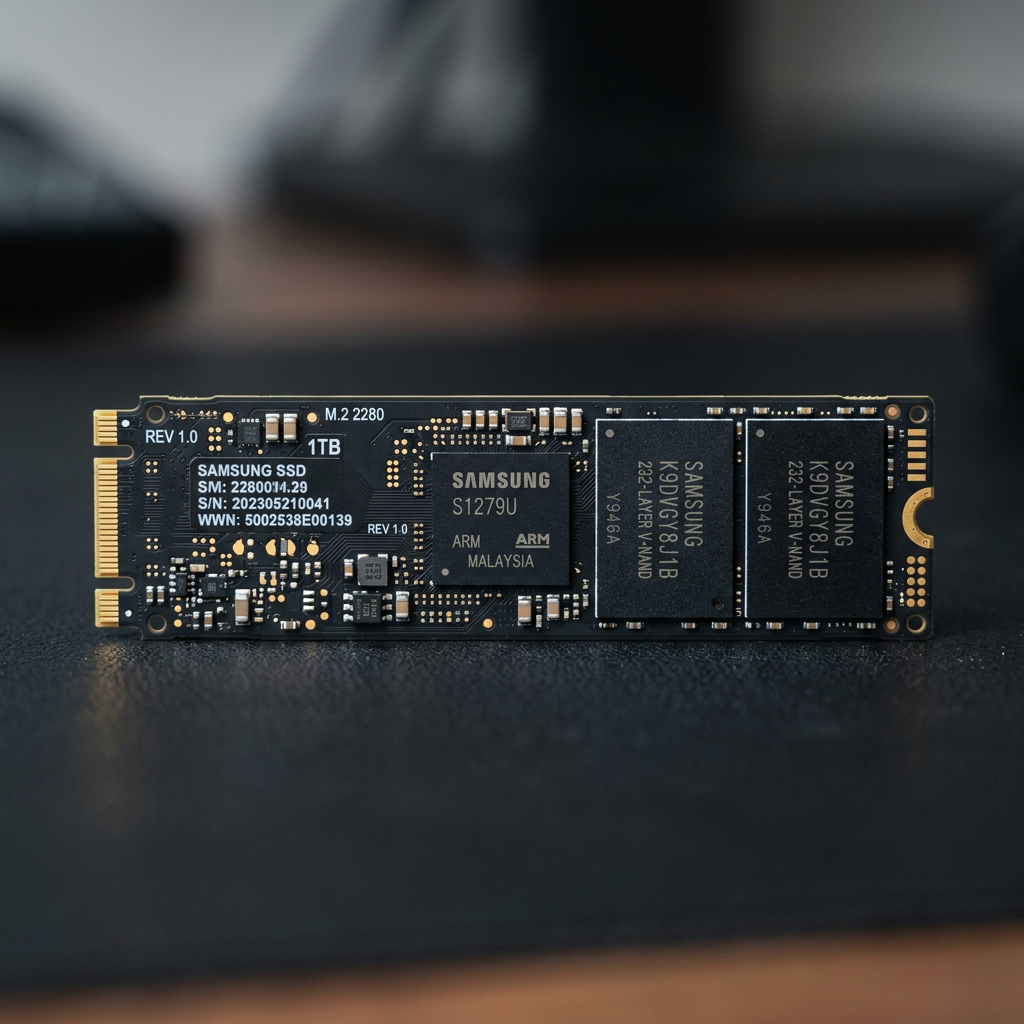
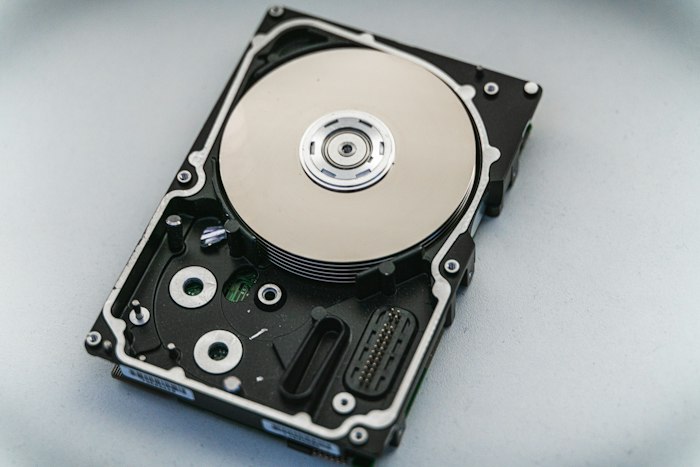
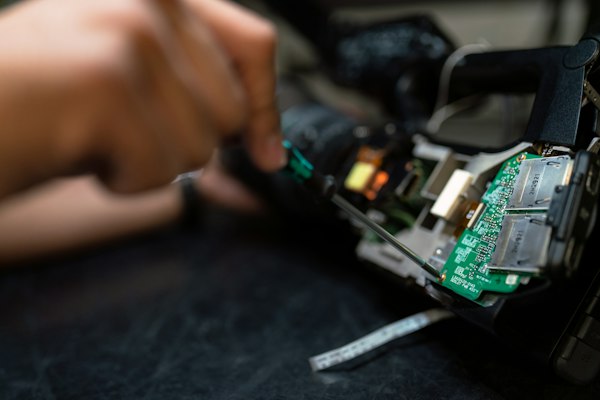
Physical failure usually costs more. Traditional hard drives may need head replacement, firmware stabilisation, PCB work, or controlled internal access. SSDs add another layer of complexity because they use controller-based data management, wear levelling, and encryption behaviours that can make recovery more technically demanding even when the device has no moving parts.
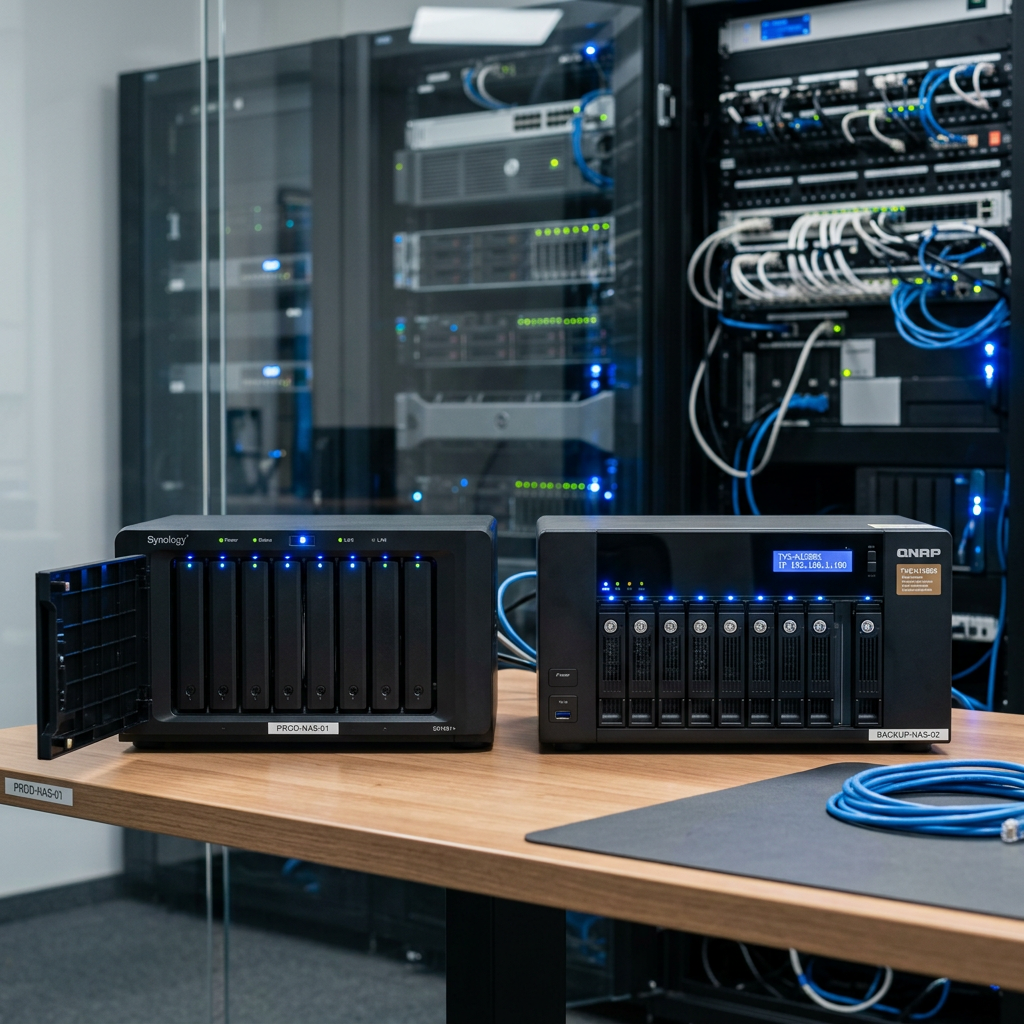
Then there are multi-disk systems. NAS and RAID recoveries often involve more than one failed element. The issue may include degraded arrays, overwritten metadata, failed drives, incorrect rebuild attempts, or a mix of logical and hardware damage. In those cases, the recovery process is less about a single drive and more about reconstructing the entire storage environment accurately.
The main factors that affect data recovery services cost
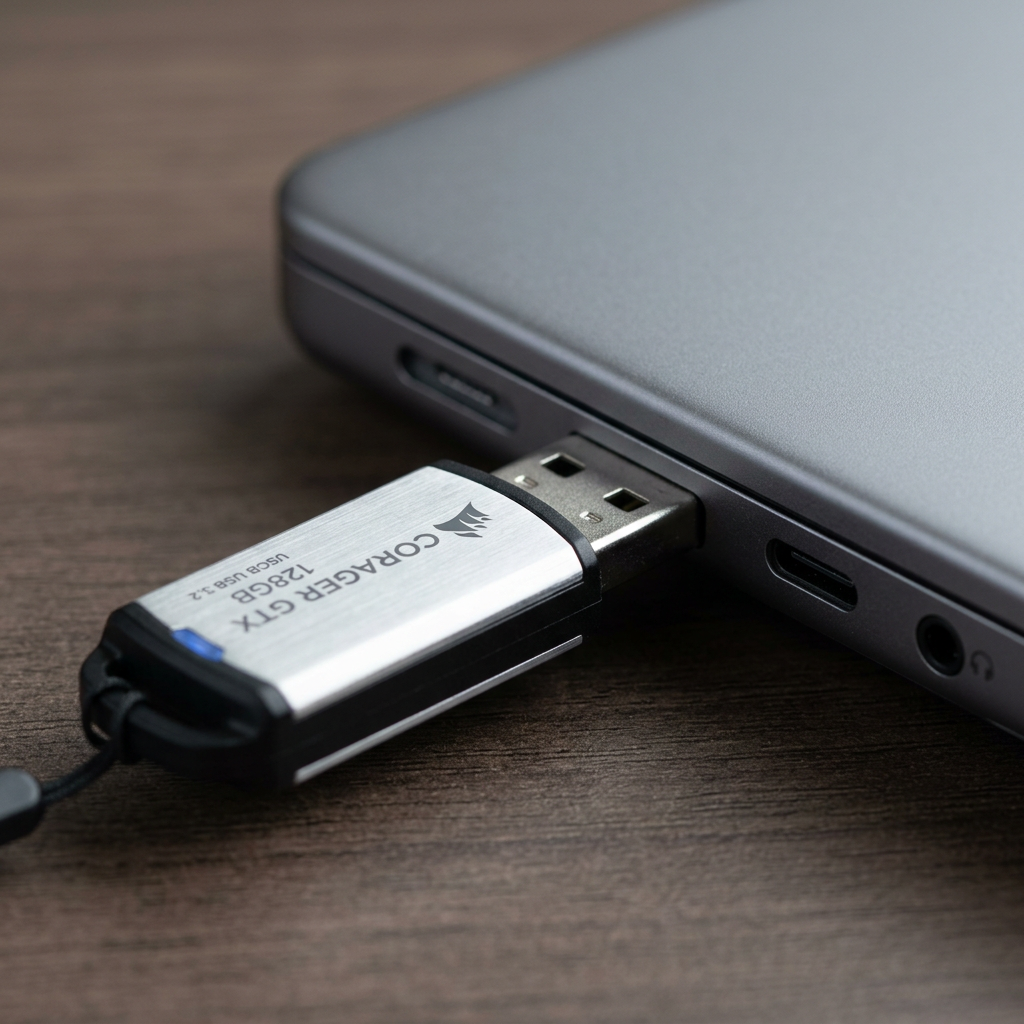
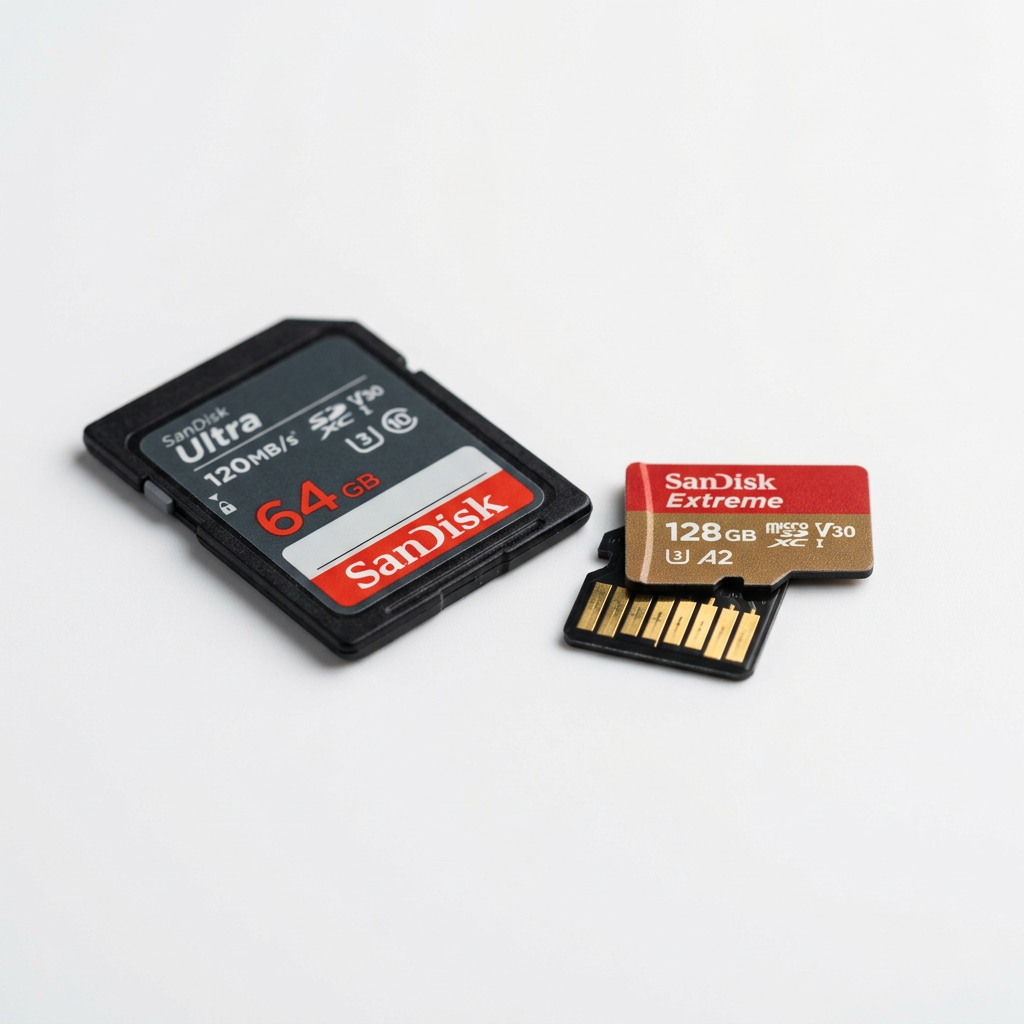
Device type has a major influence on pricing. Recovering from a USB flash drive, mobile, camera card, desktop hard drive, MacBook SSD, and business RAID are all different jobs. The tooling, parts availability, failure behaviour, and time involved are not comparable.
Damage severity matters just as much. If a drive was simply formatted by mistake, the recovery path may be relatively clean. If it was dropped while powered on, exposed to electrical damage, or repeatedly powered up after failure symptoms appeared, the process becomes riskier and more involved. The more unstable the media, the more controlled the work needs to be.
Urgency can also change the cost. Standard turnaround and emergency priority service are not priced the same way. If a business server needs immediate attention to reduce downtime, or critical legal or medical files are involved, labs may need to reorder workflow, assign priority engineering time, and work outside standard scheduling.
Storage capacity is part of the picture, but it is not always the biggest pricing factor. A larger device may take longer to image, scan, and validate, yet a smaller device with severe controller damage can still be more complex than a larger drive with mild file system corruption. Capacity matters, but complexity usually matters more.
The state of the device after user intervention is another hidden cost driver. DIY software scans, repeated restart attempts, unsuitable adapters, or opening a hard drive outside controlled conditions can make the original problem worse. In many cases, what would have been a simpler recovery becomes a more advanced one because the storage media has deteriorated further.
Typical pricing ranges in Australia
While every case needs assessment, broad price ranges can help set expectations. Logical recoveries from functioning media are often the most affordable category. These jobs may sit in the lower hundreds, depending on the device type and the extent of corruption.
Standard hard drive recoveries involving moderate physical issues tend to move into a higher range, particularly where specialist imaging and firmware work are needed. SSD recoveries can sit in a similar or higher bracket because of controller complexity and reduced tolerance for unstable access.
RAID and NAS recoveries are commonly among the most expensive services because they involve layered analysis, disk-by-disk imaging, virtual rebuilds, and careful validation of recovered data structures. Where multiple failed drives, business-critical systems, or urgent turnaround are involved, costs can increase significantly.
That said, price alone is not a reliable indicator of quality. A very low quote can mean the service is limited, outsourced, or based on assumptions before proper diagnosis. A professional provider should explain what has been identified, what category of recovery is involved, and what affects the final quote.
What you are actually paying for
People sometimes compare data recovery with general computer repair, but the work is fundamentally different. You are not just paying for someone to look at a device. You are paying for specialist diagnostics, controlled handling of unstable media, advanced recovery tools, engineering experience, and the judgement to avoid making data loss worse.
In physical recovery cases, you are also paying for an environment and process designed to protect the media during extraction. In RAID and NAS work, you are paying for the ability to reconstruct storage architecture accurately rather than guessing at array order or stripe size and risking corruption.
There is also a strong privacy and risk management element. Professional recovery needs to be handled with clear procedures, controlled access to customer data, and an understanding that the contents may be commercially sensitive, deeply personal, or operationally critical.
Why a quote often follows assessment
One of the most common frustrations for customers is hearing that pricing depends on evaluation. That can sound vague, but in data recovery it is usually the honest answer. Until the device is assessed, a provider may not know whether the issue is logical, electrical, firmware-related, mechanical, or a combination.
A proper assessment reduces guesswork. It allows the recovery team to determine whether the media is stable enough for imaging, whether donor components are likely to be required, whether encryption or controller behaviour will affect the job, and whether the expected output is partial or complete.
This matters because a cheap estimate given too early is not necessarily helpful. Accurate scoping protects both sides. It gives the customer a realistic understanding of likely cost, turnaround, and chances of success before recovery work proceeds.
When the cheapest option becomes the most expensive
The pressure to save money after data loss is understandable. But low-cost decisions at the wrong moment can increase final costs or reduce recoverability altogether. Free utilities, repeated scans, or taking a failing drive to a general repair shop may be fine for non-critical data, but they carry real risk when the device is unstable.
A clicking hard drive, a burnt SSD, or a degraded RAID should not be treated as a trial-and-error problem. Every extra power cycle can reduce the chance of a clean recovery. For businesses, the real cost is not only the lab fee. It is downtime, interrupted operations, lost records, delayed projects, and reputational impact.
That is why many customers end up caring less about the lowest headline price and more about whether the provider can recover the right data safely and efficiently. A lower quote means little if the result is incomplete, mishandled, or unrecoverable after failed attempts.
How to assess value, not just price
When comparing providers, ask how they handle your type of device and failure, whether assessment comes before final approval, and how recovered data is verified. Clear communication matters. So does category-specific capability. A business that regularly works across hard drives, SSDs, Apple devices, cameras, NAS, and RAID systems is better placed to recognise the technical differences between them.
It is also worth asking about turnaround options, data privacy practices, and whether the quote reflects likely complexity rather than a generic advertised figure. For Canberra clients and customers elsewhere in Australia, working with a specialist service such as RecoveryGeeks can make that process clearer because the conversation is based on recovery realities, not vague promises.
A practical way to think about cost
The best way to view data recovery services cost is as a reflection of difficulty, risk, and required expertise. Some jobs are simple. Many are not. The price tends to rise when the device is physically damaged, the storage structure is complex, urgency is high, or earlier recovery attempts have made the situation worse.
If the lost data matters, the right next step is not guessing from a price list. It is getting the device assessed by a specialist who can tell you what failed, what the recovery path looks like, and whether the likely result justifies the cost. That answer is usually far more useful than any one-size-fits-all number.