




Reviews matter, but the details matter more
Data recovery reviews can be reassuring when a hard drive stops appearing, a phone will not boot, or a RAID system becomes inaccessible. They show how a provider communicates under pressure, whether customers felt informed, and whether the service handled sensitive files professionally. But a five-star rating alone cannot tell you whether a provider is equipped for your particular device failure.
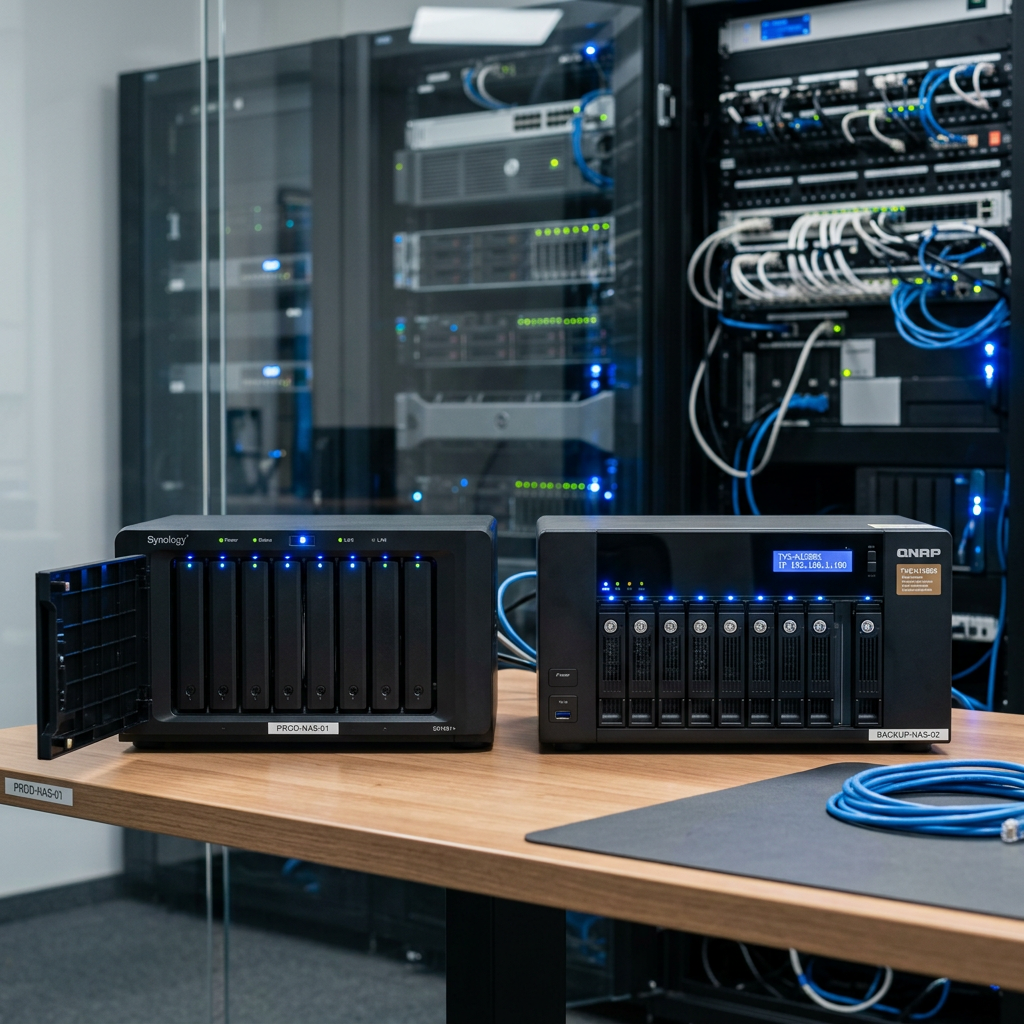
For Australians facing data loss, the better question is not simply, “Who has the best reviews?” It is, “Do the reviews show proven capability, clear process and responsible handling of a problem like mine?” A family photo archive on a failed external drive needs a different approach from a business NAS with multiple degraded disks. The right recovery provider should recognise that distinction from the first conversation.
How to read data recovery reviews critically
Start by looking for patterns across reviews rather than relying on one glowing or unhappy account. Data loss is stressful, and customers often write reviews soon after an urgent situation. Their experience is valuable, but it may focus on the outcome rather than the technical work required to achieve it.
The most useful reviews tend to mention the device involved, the nature of the problem and how the provider managed expectations. A review that explains a failed SSD was assessed, diagnosed and recovered with regular updates is more meaningful than a brief comment saying “great service”. Likewise, a review from a business that had a RAID array assessed after a controller or disk failure can indicate experience with more complex storage environments.
Read the language around communication carefully. Good recovery work does not always mean an immediate answer or a guaranteed result. In many cases, an initial assessment is needed before anyone can accurately estimate recoverability, turnaround time or cost. Reviews that mention honest explanations, realistic timeframes and clear approval before further work are generally stronger signs than promises of instant recovery.
Look for device-specific experience
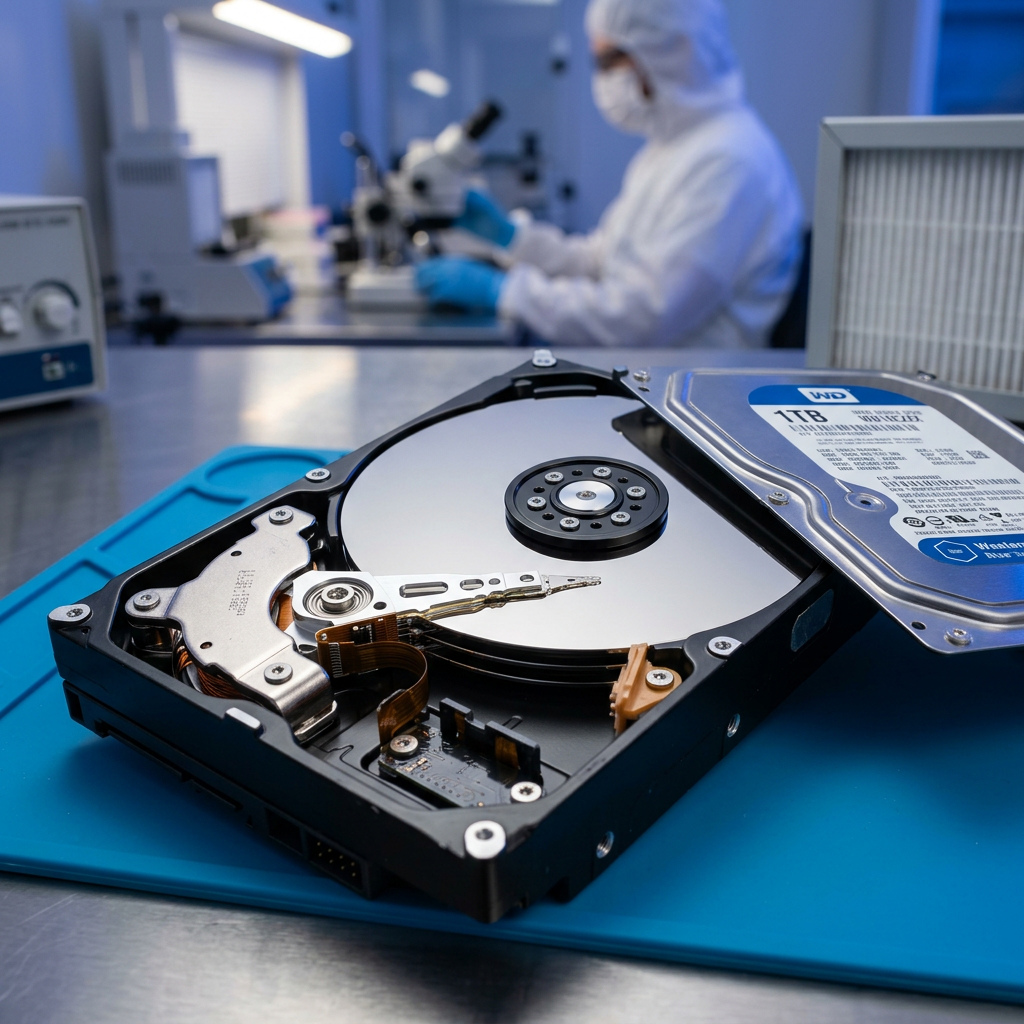
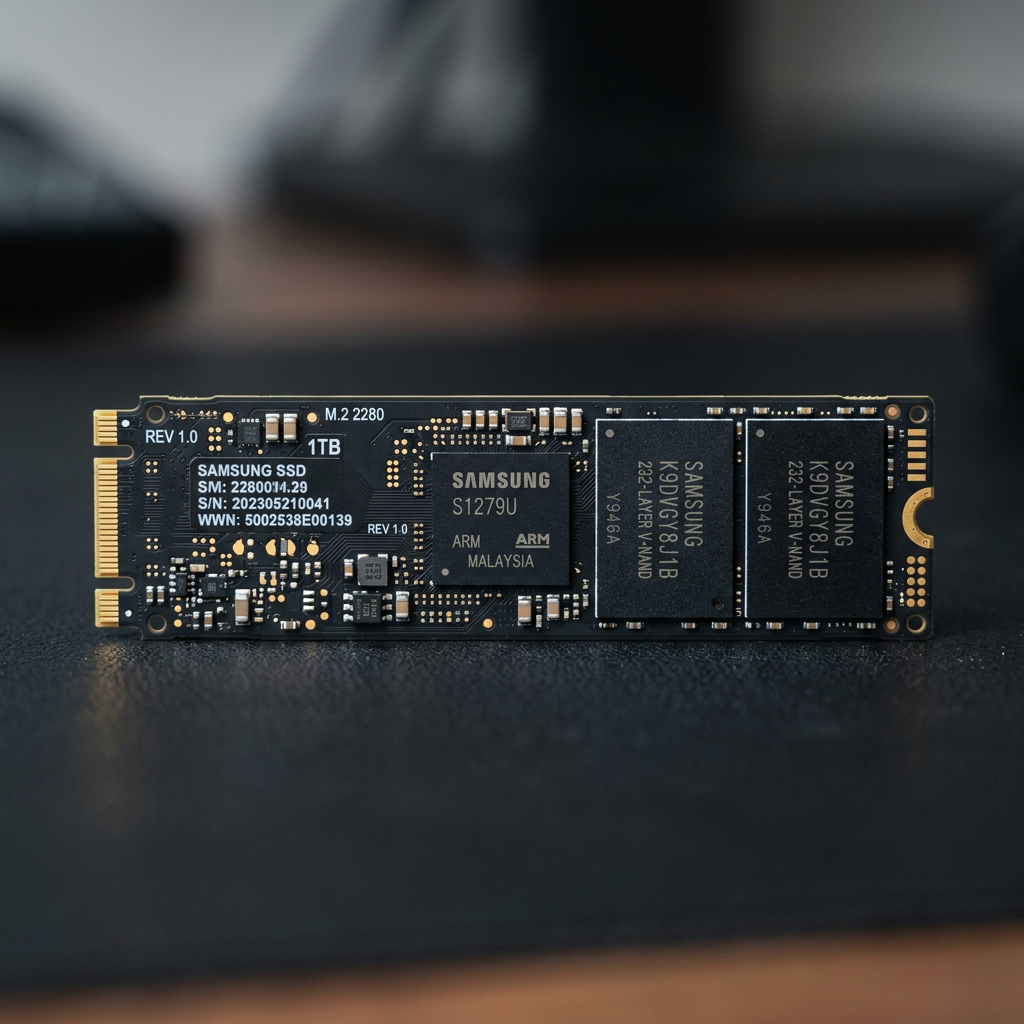
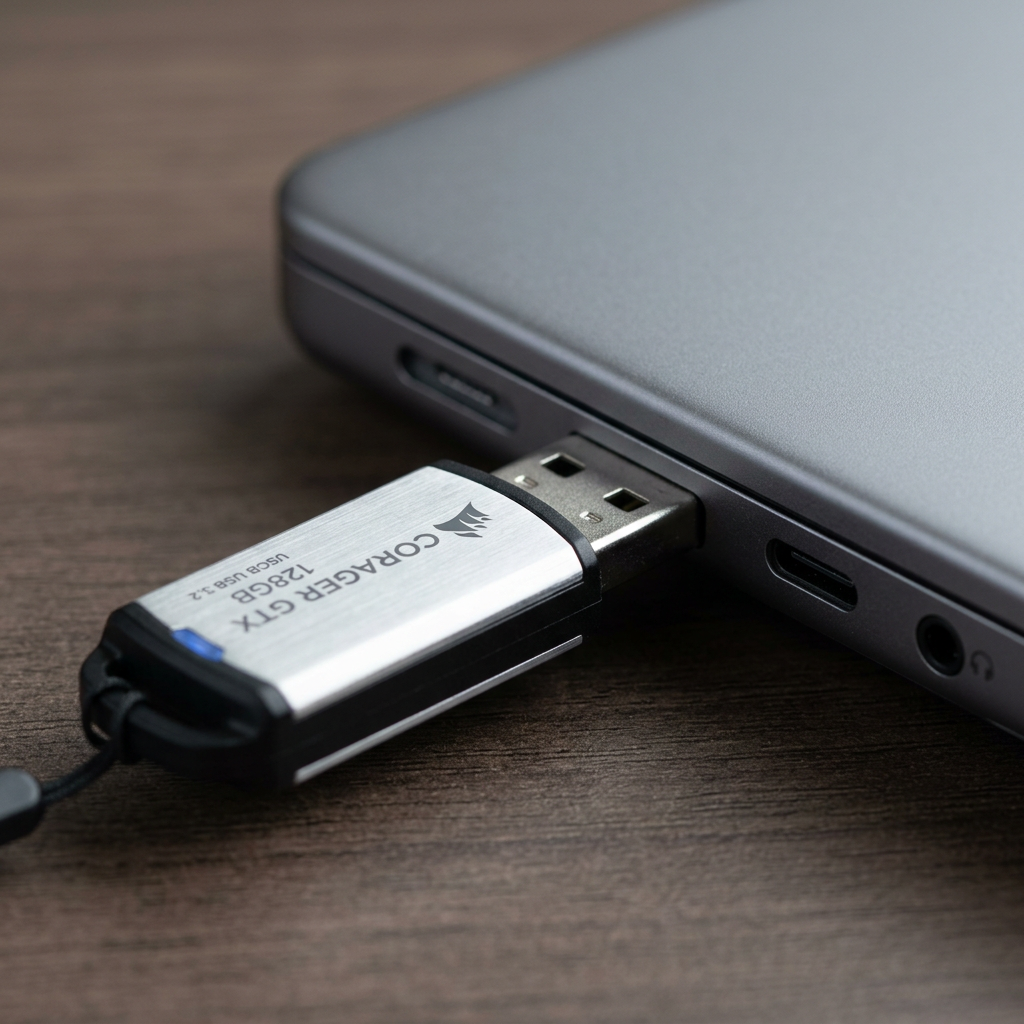
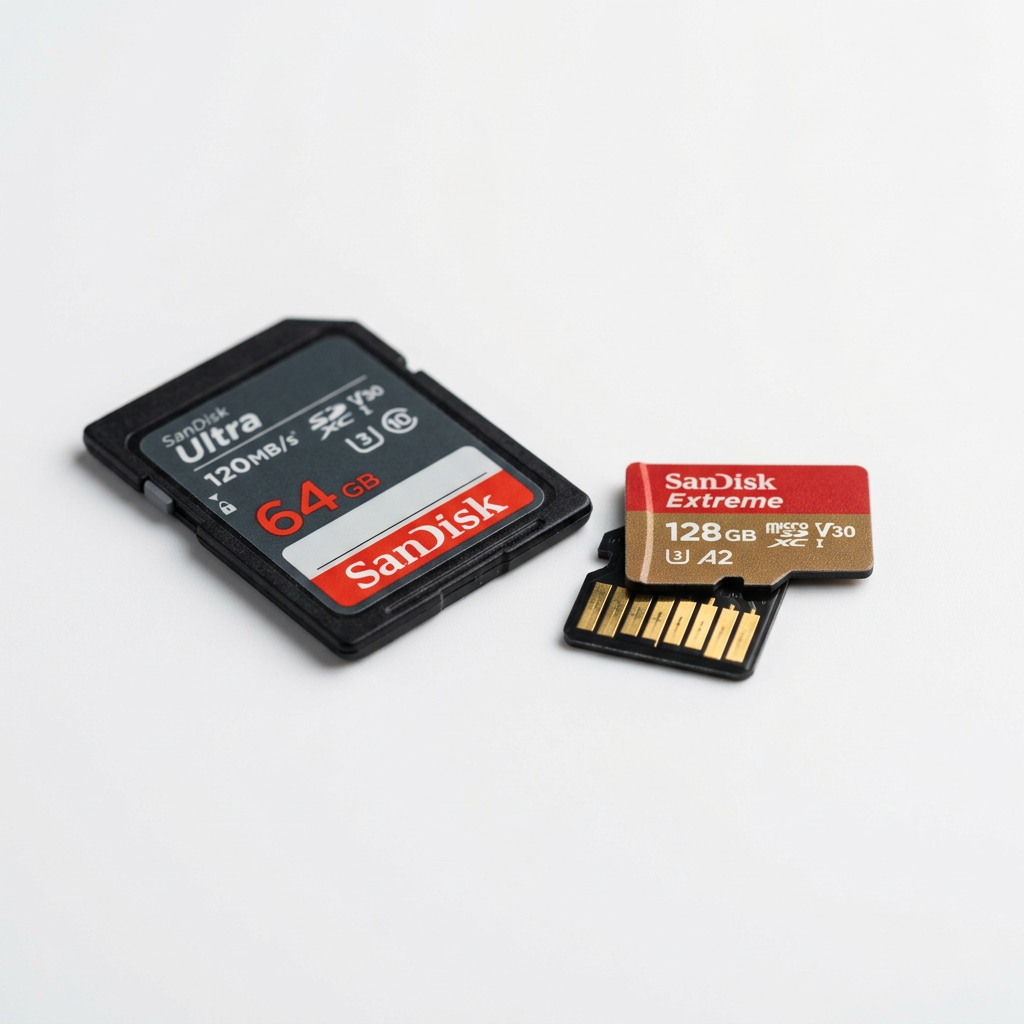
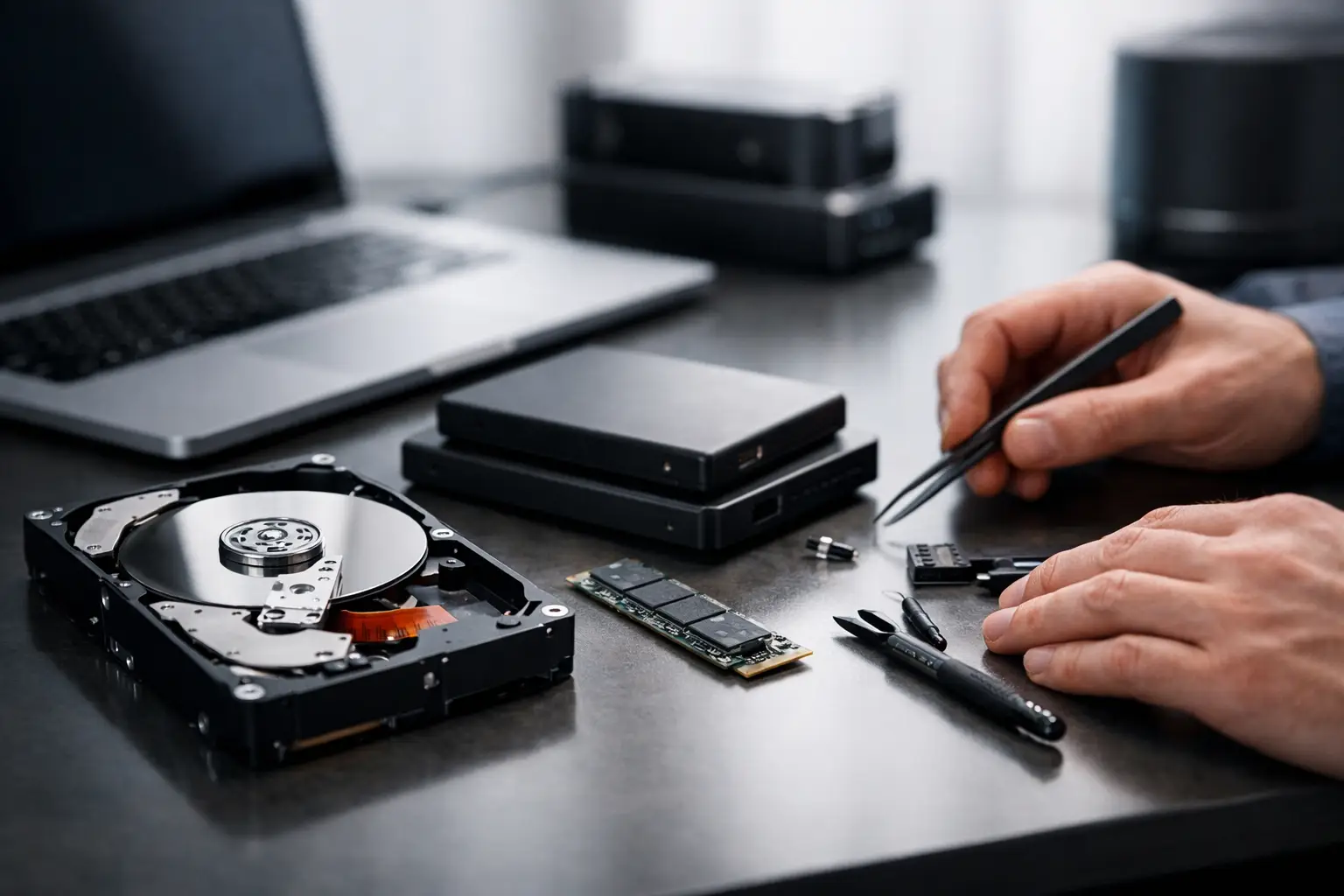
A provider may receive positive feedback for standard hard drive recovery but have limited experience with encrypted SSDs, Apple devices, camera cards or multi-disk NAS systems. Storage media behaves differently when it fails. The same is true of the information stored on it.
For example, a photographer may need original RAW files recovered from an SD card after accidental formatting. A small business may need accounting data, shared documents and virtual machine files retrieved from a damaged RAID. A home user may be trying to recover messages and photos from a mobile device. Reviews are most useful when they demonstrate that the provider understands the specific category of device and the consequences of getting the recovery process wrong.
Look for references to hard drives, SSDs, RAID, NAS, Apple devices, camera media or removable storage where relevant to your situation. Specificity is usually more useful than volume.
What reviews cannot verify
Reviews are one part of due diligence, not a substitute for a technical discussion. They cannot fully verify how a provider handles physical media, protects customer data or responds when a recovery proves impossible.
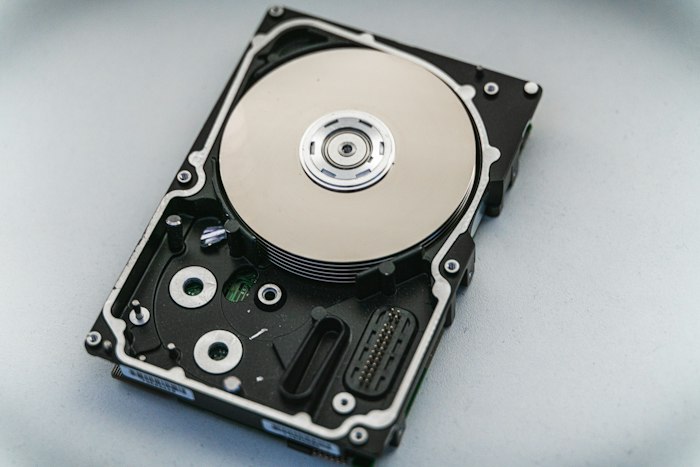
They also rarely explain the difference between logical and physical failure. Deleted files, accidental formatting and file system corruption may sometimes be recoverable through logical reconstruction. A drive that clicks, fails to spin, reports a severe hardware fault or has suffered physical damage requires a different level of care. Continuing to power up a failing device can make recovery more difficult and may reduce the amount of recoverable data.
This is where a provider’s diagnostic process matters. A professional service should be willing to discuss the symptoms, explain sensible next steps and avoid encouraging risky DIY actions. Be cautious of generic advice that treats every case as a software problem. Running recovery software on the wrong device, installing software onto the affected drive, or rebuilding a RAID without a verified plan can overwrite data or complicate later recovery work.
Judge recovery claims with context
“Successful recovery” can mean different things. One customer may be delighted to retrieve a handful of essential documents. Another may require every folder, database and original filename to be intact before the result is useful. Reviews often do not spell out that difference.
When assessing a provider, consider whether they describe recovery in practical terms. Do they explain that recoverability depends on the device condition, the failure type, encryption, overwrite activity and the state of the underlying storage? Do they distinguish between accessing a device temporarily and extracting verified, usable files?
No reputable provider can guarantee success before examining every case. Hard drive damage can be extensive. SSD recovery can be affected by controller failure, wear levelling and TRIM activity. RAID recovery may depend on disk order, RAID configuration and whether previous rebuild attempts have changed the data. A careful assessment is not hesitation. It is the basis for an honest recommendation.
Pricing feedback should show clarity, not just a low figure
Price is understandably a major theme in data recovery reviews. However, the cheapest quote is not always the lowest-risk decision, particularly where business records, irreplaceable photos or confidential client information are involved.
Useful feedback often describes whether the quote process was transparent. Customers should understand what the assessment covers, when recovery work begins, whether they can approve costs before proceeding, and how recovered data will be returned. Complex cases may require more time and specialist work than a straightforward deleted-file recovery, so a single advertised figure rarely tells the whole story.
Be wary of reviews or claims that focus only on speed and price while saying little about diagnosis or communication. An urgent recovery can be handled promptly without skipping the steps that protect the source device and validate the recovered files. The best value is a service that gives you enough information to make a sound decision before work progresses.
Privacy and chain of custody deserve attention
Data recovery can involve highly personal or commercially sensitive material: financial records, medical documents, legal files, customer databases, photographs and intellectual property. A positive review should ideally reflect trust as well as technical success.
Consider whether customers mention professional handling, discreet communication and confidence in the service. For organisations, ask how the provider manages device handover, data access and return media. For individuals, make sure you understand where your device will be assessed and how you will receive recovered files.
You may not find detailed security procedures in public reviews, and that is reasonable. Sensitive operational information should not be published casually. What matters is whether the provider can clearly answer practical questions about your data and treats those questions seriously.
The right questions to ask after reading reviews
Once you have narrowed down a provider, a short conversation can reveal more than another hour of scrolling. Explain the device type, what happened before the failure, whether the device has been powered on since, and the files that matter most. If it is a business system, identify the storage setup, number of disks, operating system and any recent changes or rebuild attempts.
Ask whether you should stop using the device immediately, whether an assessment is required, and what information will be available before you approve recovery work. You can also ask whether the provider has handled similar hardware or failure symptoms. A capable specialist will not pretend every case is identical, but they should be able to explain the likely path without unnecessary jargon.
For Canberra customers and clients across Australia, RecoveryGeeks provides specialist recovery support across consumer and business storage devices. The useful first step is to preserve the device in its current state and seek advice before trying another repair, reset or recovery tool.
A review can point you towards a provider worth contacting. The final decision should come from a combination of credible customer experiences, device-specific expertise, transparent communication and a recovery process that protects the data you cannot afford to lose.