


When a hard drive starts clicking, an SSD vanishes from your laptop, or a RAID array drops offline in the middle of the workday, the next step matters more than most people realise. Canberra data recovery experts are not just there to retrieve files - they are there to stop a bad situation getting worse and to give you a realistic path back to your data.
Data loss usually arrives without warning. For home users, it might mean family photos, tax records, uni assignments or years of personal documents suddenly becoming inaccessible. For businesses, it can mean downtime, compliance risk, interrupted operations and real financial loss. In both cases, the first instinct is often to keep restarting the device, try random software, or plug the drive into another machine. That is where recoverable data can quickly become harder, slower and more expensive to retrieve.
What Canberra data recovery experts actually do
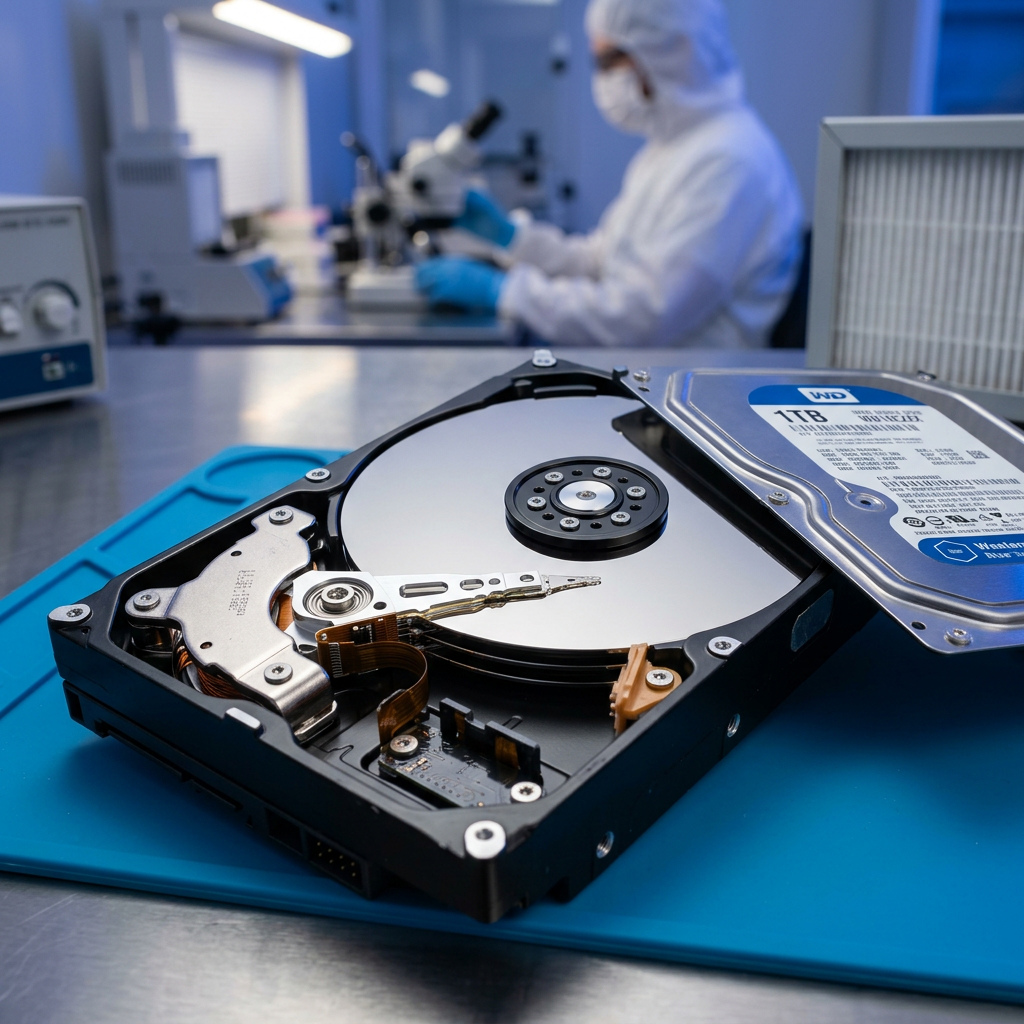
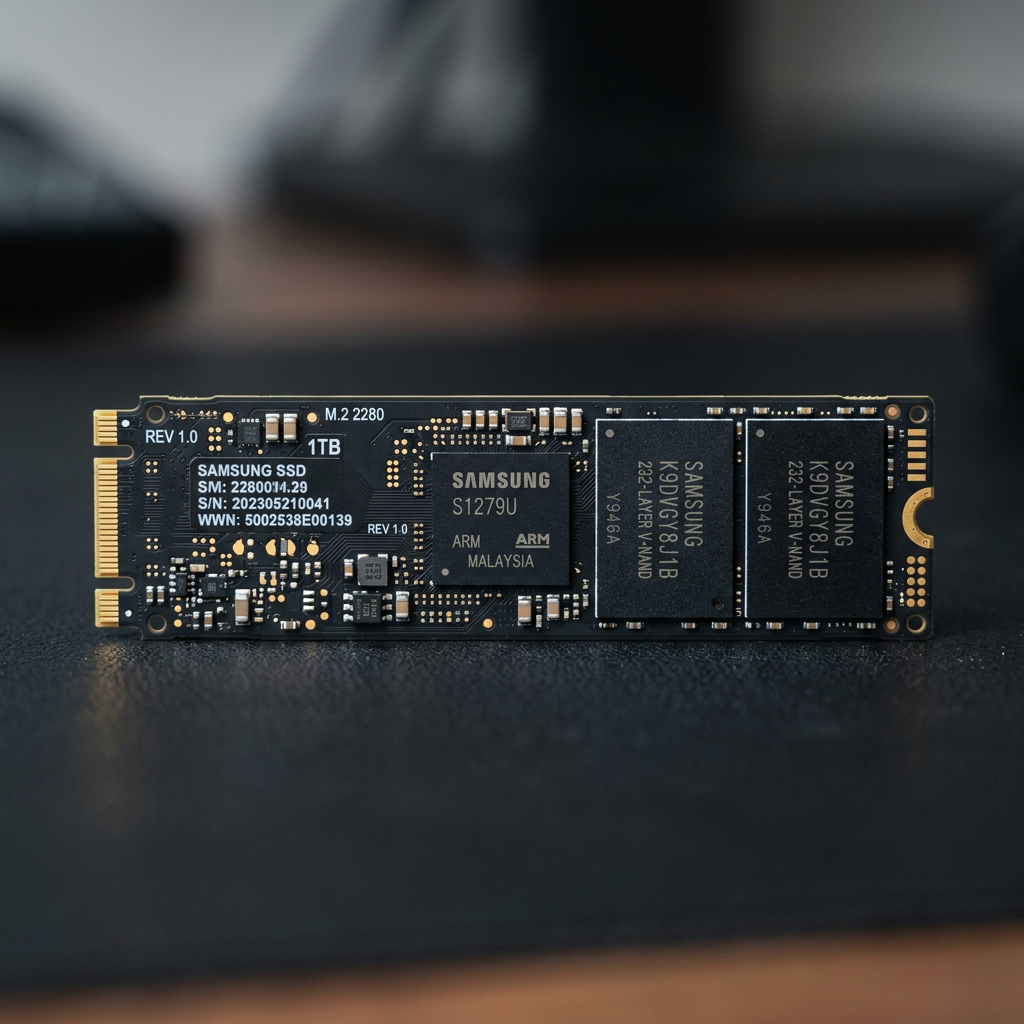
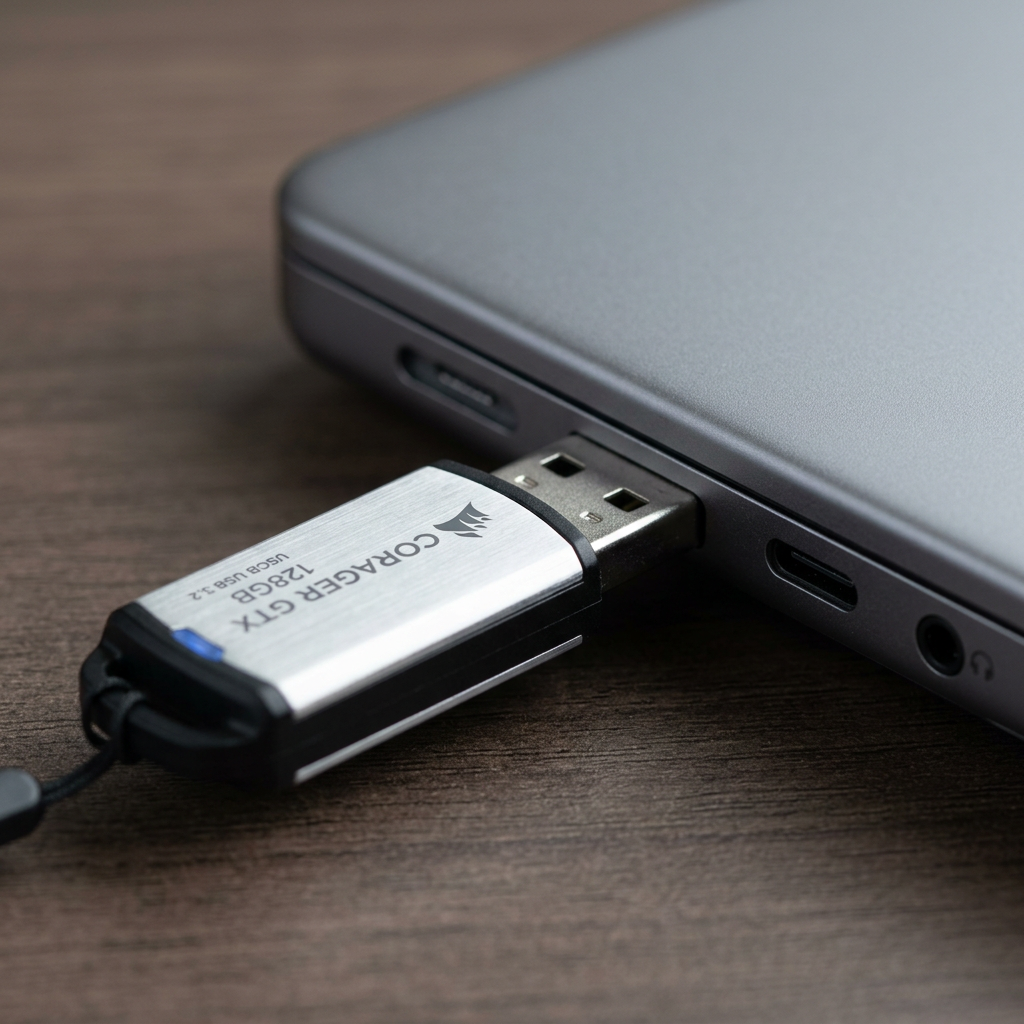
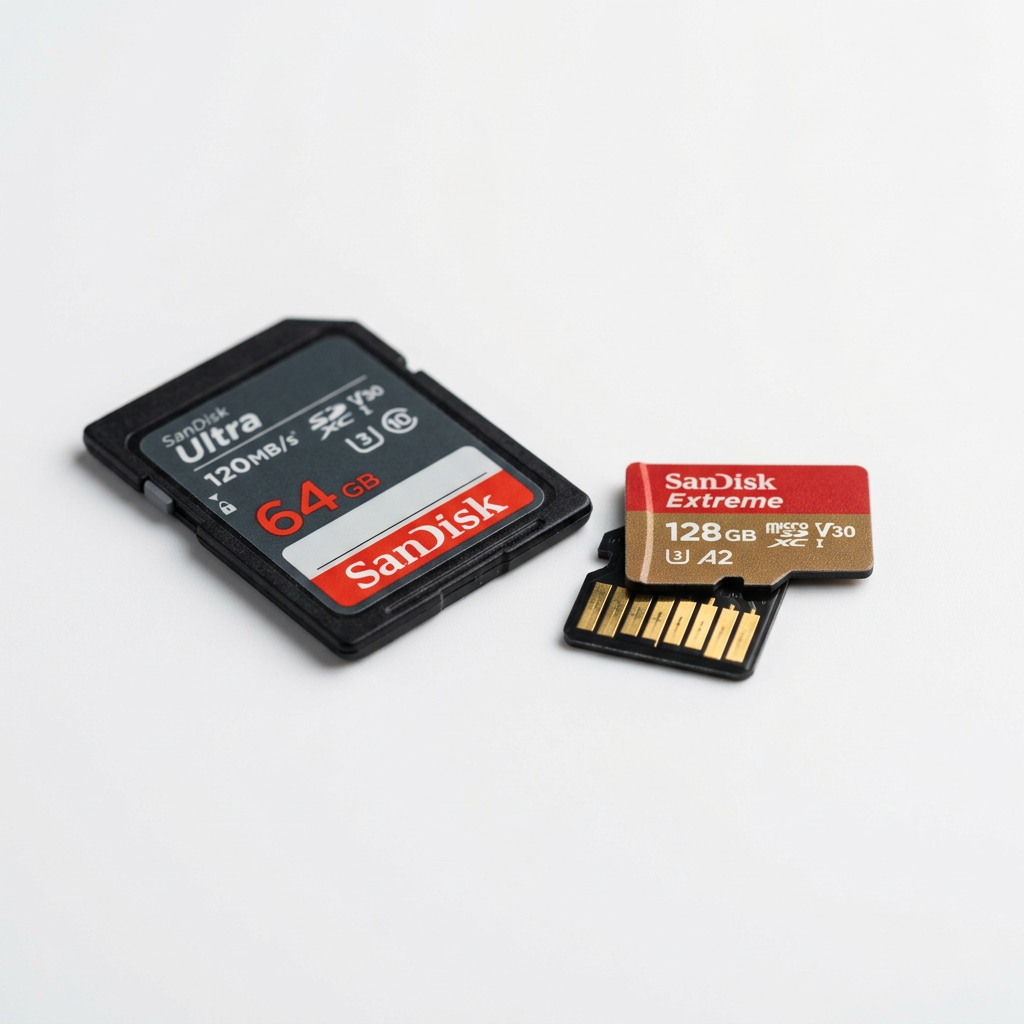
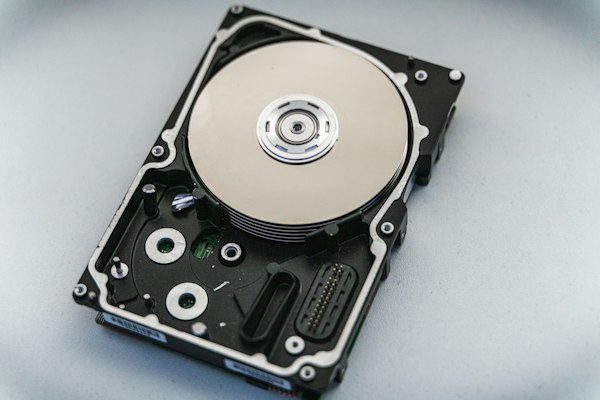
Professional data recovery is a specialist technical service, not a generic IT fix. The goal is to safely retrieve data from media that has been deleted, corrupted, formatted, physically damaged or electronically failed. That can include traditional hard drives, SSDs, external drives, USBs, memory cards, mobile devices, Apple systems, NAS units and RAID arrays.
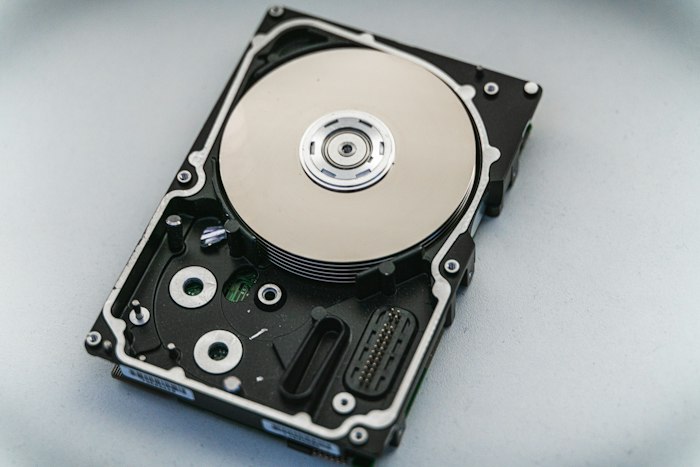
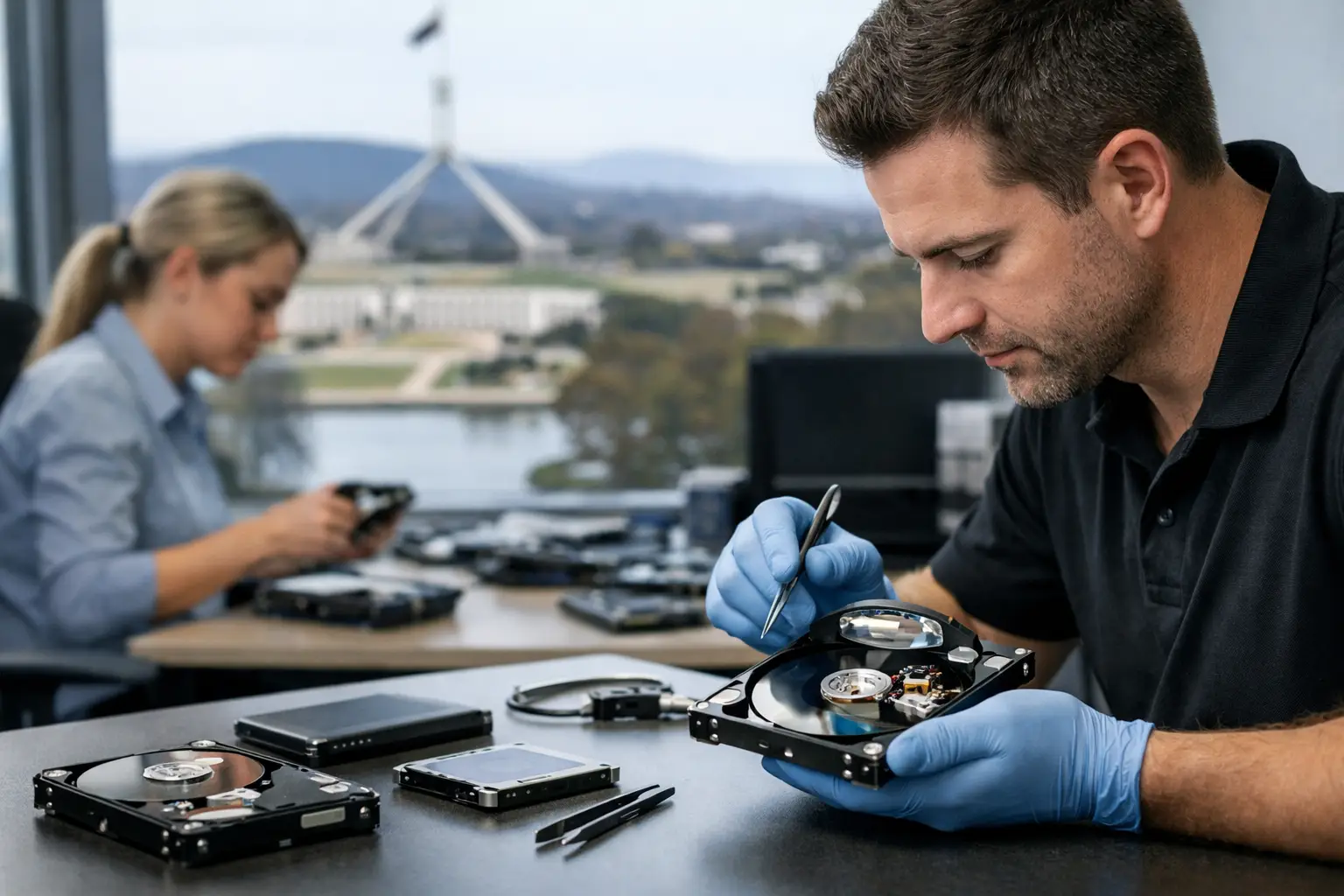
The work itself depends on the failure type. A deleted folder on a healthy storage device is very different from a failed controller on an SSD or head damage inside a hard drive. In simple logical cases, recovery may involve rebuilding file systems or extracting deleted data without changing the underlying media. In more serious physical cases, the process can involve component-level diagnostics, controlled hardware intervention and imaging unstable devices sector by sector before recovery even begins.
That distinction matters because not every provider handles every category well. Some shops can run basic software scans but are not equipped for advanced RAID rebuilds or physically failed drives. If the data is important, you want a specialist service with proven capability across different media types, not a one-size-fits-all repair counter.
Why local expertise matters in Canberra
There is a practical advantage in dealing with a local specialist when the situation is urgent. You can speak to someone who understands the problem, explain what happened and get clear advice on what to do next before more damage occurs. That immediacy can make a genuine difference, especially when a business server, surveillance system, creative project drive or family backup has failed.
Canberra clients also tend to span a broad mix of needs. Government-adjacent professionals, small businesses, consultants, photographers, students, home users and IT teams all rely on digital storage in different ways. A photographer with a corrupted SD card has a very different problem from a business with a degraded RAID 5 array, yet both need the same thing - accurate diagnosis, careful handling and a realistic assessment of recoverability.
Working with a specialist that services Canberra means the advice is relevant, the intake process is clear and the support is geared towards real recovery work rather than general troubleshooting. That helps reduce delays and avoid the common cycle of trying one fix after another until the device condition worsens.
Common recovery scenarios
Some failures are obvious. A hard drive may click, spin down or stop being recognised entirely. Others are less dramatic but just as serious. An SSD may appear in BIOS but not load data. A NAS may show inaccessible volumes after multiple drive issues. A mobile or Apple device may power on but not present storage properly. A memory card may ask to be formatted after a camera error.
Deleted files are another area where people often underestimate the risk. If you accidentally delete documents or format a drive, continuing to use that device can overwrite the very data you want back. The same applies to reinstalling operating systems, saving new files to the same volume or letting repair utilities make changes before a proper assessment has been done.
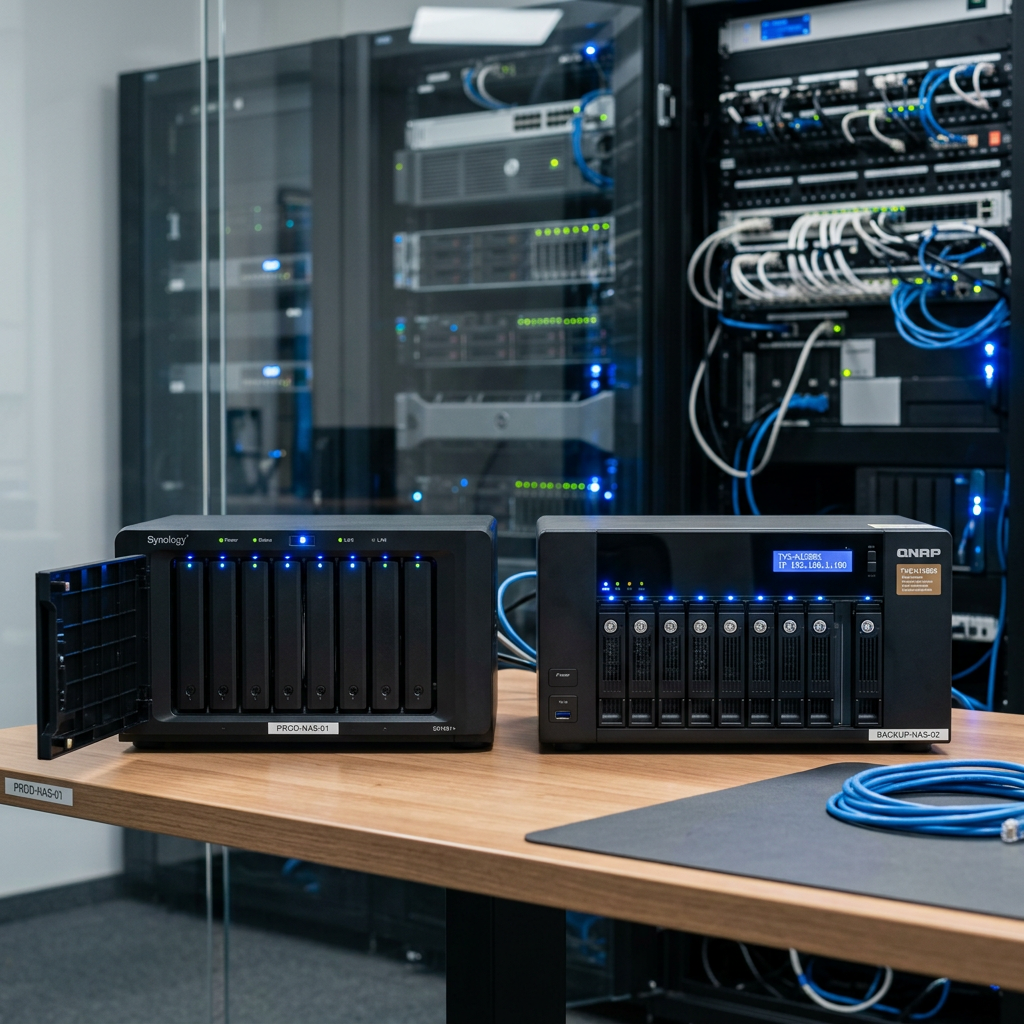
Then there are complex business cases. RAID and NAS recovery often involves multiple layers of failure - failed disks, controller issues, metadata corruption, accidental reconfiguration or partial rebuild attempts that have changed the array state. These jobs need more than standard software. They require an understanding of how the storage architecture was built and how to reconstruct data without compounding the damage.
The biggest mistake after data loss
The biggest mistake is treating every failure as a DIY job. Recovery software has its place, but only in limited situations and only when the device itself is healthy. If a drive is making abnormal noises, dropping out intermittently, reading slowly, overheating or failing to identify correctly, software tools can push it further towards complete failure.
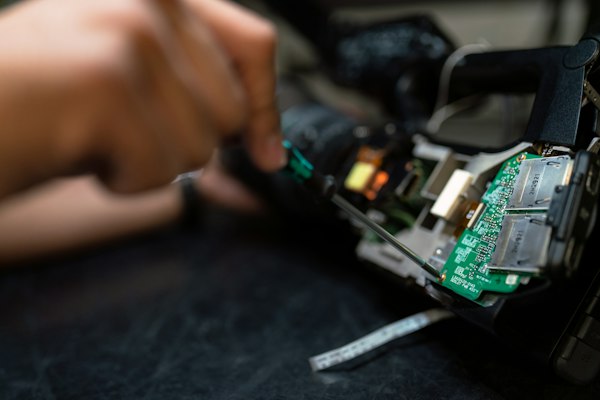
The same goes for well-meaning repair attempts. Swapping boards, freezing drives, opening devices, rebuilding RAID arrays without a proper map, or repeatedly powering on unstable media can all reduce the chance of a successful recovery. What feels like action in the moment can become the reason a straightforward case turns into a difficult one.
A better first step is to stop using the device and get an informed opinion. A specialist can usually tell from the symptoms whether the issue is likely logical, electronic, firmware-related or mechanical. That early triage is often where the most value lies.
What to expect from a professional recovery process
A credible service starts with assessment, not promises. Good providers do not guarantee every job because not every device is recoverable. Media can be severely damaged, memory cells can be too degraded, and overwritten data may simply no longer exist. What you should expect is a careful diagnostic process, clear communication and a plan based on the actual fault.
In practice, that means identifying the failure type, stabilising the media where possible, creating a safe working image and extracting data from that image rather than working destructively on the original device. For RAID and NAS systems, it can mean analysing drive order, parity rotation, stripe size, file system structure and prior rebuild events before attempting reconstruction.
You should also expect privacy and discretion. Whether the data belongs to a family, a sole trader or an organisation, confidentiality matters. A dependable recovery provider understands that these jobs often involve sensitive documents, financial records, legal material, project files or irreplaceable personal content.
Choosing the right specialist
If you are comparing Canberra data recovery experts, look past general claims and consider scope. Can they handle hard drives and SSDs, not just deleted files? Do they work on NAS and RAID systems as well as standalone devices? Are Apple devices, cameras and removable media part of their recovery capability? Breadth matters because data loss does not stay neatly within one category.
It is also worth paying attention to how they speak about recovery. Experienced specialists tend to be precise. They explain the likely failure mode, the risks of further use and the difference between logical and physical recovery. They do not treat every case as identical, because it never is.
For Canberra customers, service accessibility matters too. When the issue is urgent, you need a process that is straightforward and responsive. RecoveryGeeks is built around that specialist model - focused on professional recovery work across consumer and business storage, with support for Canberra clients dealing with everything from failed laptops and external drives to complex NAS and RAID incidents.
When speed matters, but caution matters more
Urgency is real in data recovery, especially for business systems and deadline-driven work. But speed without method is a problem. The right approach is not the fastest possible intervention at any cost. It is the fastest safe path that protects the integrity of the data.
That might mean immediate shutdown of a failing device, careful transport, priority assessment and targeted recovery work rather than generic scanning. It might also mean accepting that some jobs take longer because the media is unstable and must be handled in stages. A trustworthy specialist will explain that trade-off rather than rushing the process and risking the result.
The right time to call
If your device is clicking, beeping, not detected, showing corrupted files, asking to be formatted, missing partitions, suffering RAID issues or failing after a drop, liquid exposure or power event, the right time to call is now - before more changes are made. Even if the problem seems small, early guidance can prevent unnecessary damage.
The same applies if you have already tried software and the result is incomplete, slow or confusing. Partial visibility of files does not always mean the media is safe. Sometimes it means the failure is advancing and the window for recovery is narrowing.
Lost data can feel final in the moment, but many cases are recoverable with the right technical approach. The calmest move is often the smartest one: stop, protect the device, and get advice from specialists who know exactly what they are looking at.