


When a RAID fails, the problem rarely stays technical for long. It becomes a business continuity issue, a client deadline issue, or a matter of whether years of project files, finance records, or surveillance footage can be brought back intact. That is why people searching for the best RAID recovery companies Australia has to offer need more than a price comparison. They need a provider with the right technical process, the right handling standards, and the judgement to avoid making a bad situation worse.
RAID recovery is not the same as recovering a single failed hard drive. In many cases, the array still contains most of the data, but the underlying structure has been disrupted. A controller fault, multiple degraded drives, accidental rebuild, firmware issue, power event, or file system corruption can all leave the data inaccessible even when the disks themselves are not completely dead. The job is not just to read sectors. It is to reconstruct how the array was configured, identify the order of the drives, determine stripe size and parity layout, and recover data without causing further loss.
What separates the best RAID recovery companies in Australia
The best RAID recovery companies in Australia are usually defined by process, not marketing language. Any provider can claim high success rates. The real difference shows up in how they assess risk, whether they work on clones rather than original media where possible, and how experienced they are with business storage environments rather than just consumer drives.
A capable RAID recovery lab should be comfortable working across RAID 0, RAID 1, RAID 5, RAID 6, RAID 10, hybrid setups, and NAS platforms from major vendors. That includes cases involving failed members, dropped arrays, overwritten metadata, deleted volumes, and file system damage. The provider should also understand that a RAID failure often sits inside a wider environment - virtual machines, databases, shared folders, backup repositories, or production systems with interdependent data.
This is where technical depth matters. Recovering a photo folder is one thing. Reconstructing a damaged business array holding accounting data, CAD projects, legal records, or media archives requires a more disciplined approach.
Why RAID cases need specialist handling
A common mistake is assuming that any general computer repair business can handle RAID recovery. Some can perform basic diagnostics, but a complex array failure needs more than drive swapping and trial-and-error rebuilds. One incorrect rebuild, initialisation, or parity write can permanently change the data structure you are trying to recover.
Good RAID recovery companies know when not to power a system back on. They know when to stop a client from reseating disks, replacing failed members in the wrong order, or letting the NAS attempt an automatic sync. Those actions may seem harmless, but in a degraded or unstable array they can make recovery harder, slower, or impossible.
That is also why turnaround promises need context. Fast service matters, especially for businesses under downtime pressure, but speed without method is risky. The best providers balance urgency with forensic care. If a company promises immediate recovery before examining the array properly, that is not reassurance. It is a warning sign.
How to assess the best RAID recovery companies Australia wide
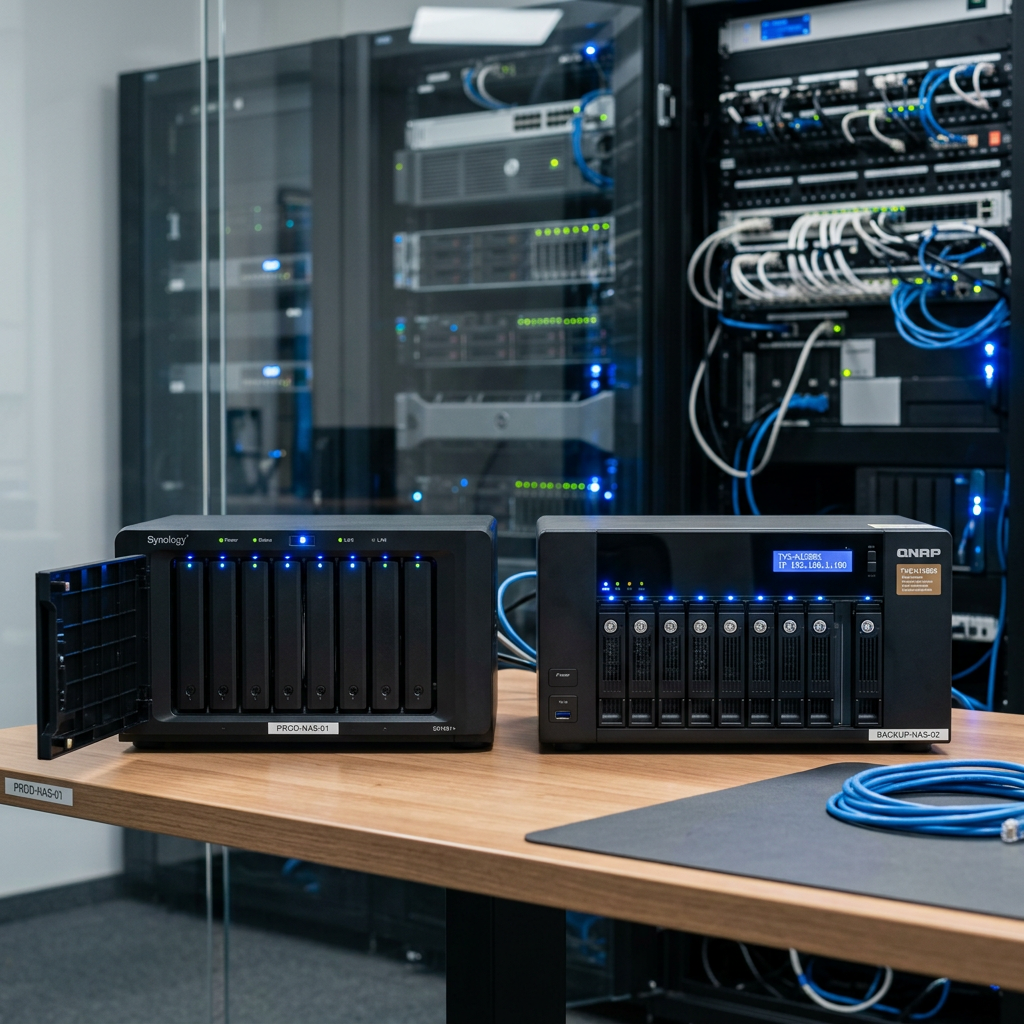
If you are comparing providers, start with their actual RAID capability. Ask whether they handle multi-disk failures, controller damage, corrupt RAID metadata, and NAS-based arrays. A company that mainly talks about deleted files from USB sticks may not be the right fit for a failed Synology, QNAP, Dell, HP, or custom server array.
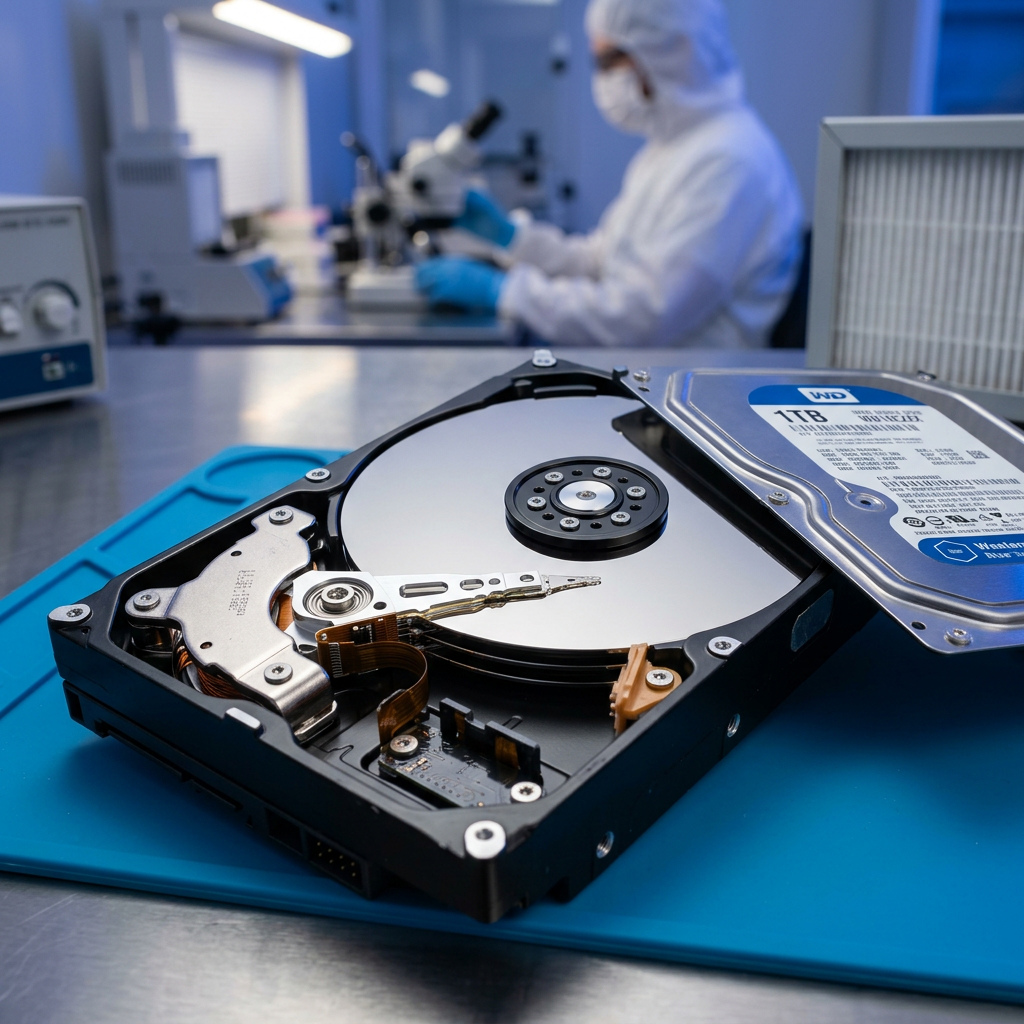
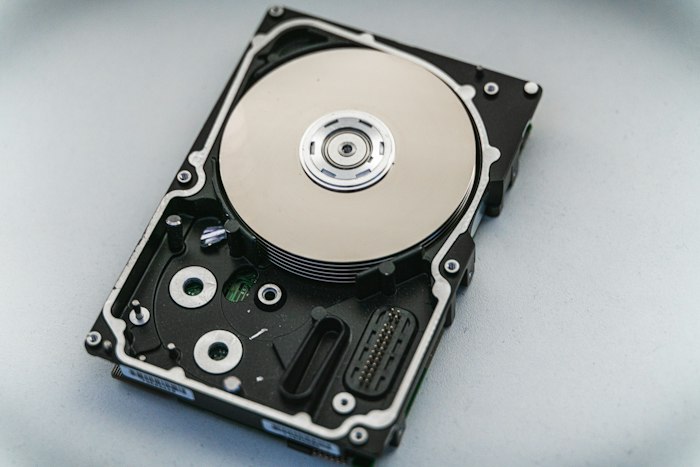
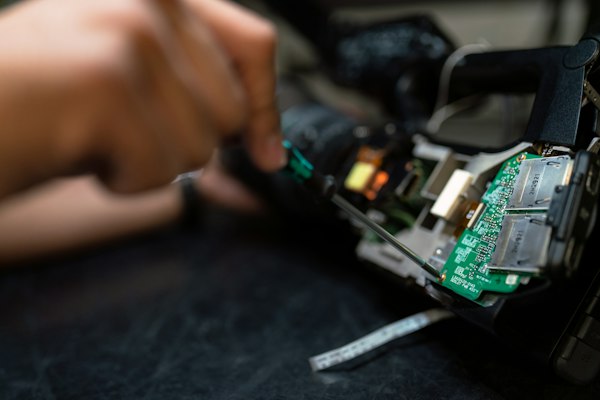
The next point is diagnostics. A credible provider should explain how they assess both the physical condition of the drives and the logical structure of the array. In some jobs, one or more drives have mechanical or electronic faults and need stabilisation before any logical reconstruction can begin. In others, the disks are readable but the array map has been damaged. These are different problems, and a proper diagnostic process should recognise that early.
Security and privacy also matter. RAID systems often hold commercially sensitive information, legal documents, client records, internal communications, or intellectual property. The provider should treat chain of custody, secure handling, and confidentiality as standard practice rather than optional extras.
Then there is communication. In high-stakes recovery work, vague updates are not enough. Clients need clear information about what has failed, what the likely recovery path looks like, whether donor parts or advanced clean environment work may be needed, and what trade-offs exist around time, cost, and recoverable data.
Red flags to watch for
Some providers lean heavily on generic claims instead of technical clarity. If a company avoids discussing RAID levels, disk imaging, parity reconstruction, or failure scenarios, it may not have the depth required for serious array recovery.
Another red flag is encouraging repeated DIY attempts before professional assessment. Software-based RAID tools can be useful in limited situations, but they are not harmless. If the wrong parameters are selected, or if unstable drives are forced through repeated reads, the result can be more corruption and less recoverable data.
You should also be cautious with businesses that treat every case as identical. RAID recovery is case-specific. A failed RAID 5 with one dead disk and stale metadata is not the same as a RAID 6 affected by firmware instability and accidental reconfiguration. Providers that skip over those distinctions are usually simplifying the problem too much.
Cost, urgency, and the reality of trade-offs
Everyone wants a simple answer on pricing, but RAID recovery costs vary for good reason. The number of disks, the RAID level, the condition of each member, the required turnaround, and the type of data all affect the workload. A case involving logical corruption only may be far more straightforward than one with multiple failing drives and damaged file systems.
The cheapest quote is not always the safest choice. At the same time, the highest quote does not automatically mean the best service. What matters is whether the provider can explain what is involved and why. In professional recovery, transparency is often a better signal than a headline figure.
Urgency creates its own trade-off. If your organisation needs rapid access to critical data, you may need priority handling. That can be worthwhile, especially when downtime is affecting operations. But even urgent RAID work still needs a careful process. The best providers are clear about what can be accelerated and what cannot.
Local access matters, but expertise matters more
For Australian businesses and home users, there is real value in dealing with a provider that is accessible, responsive, and familiar with local expectations around service, privacy, and turnaround. If you are in Canberra, Sydney, Melbourne, Brisbane, Adelaide, Perth, or regional areas, being able to speak with a specialist in Australia can make the process easier and more accountable.
Still, local presence alone does not make a company one of the best RAID recovery companies Australia can offer. The bigger question is whether the team has proven experience with complex storage failures. A nearby provider with limited RAID capability is less useful than a specialist service with the right lab process and a clear recovery methodology.
That is where specialist businesses stand apart. RecoveryGeeks, for example, focuses on professional data recovery across hard drives, SSDs, NAS and RAID systems, which is the kind of category-specific capability that matters when the failure is not routine.
What to do before you hand over a failed RAID
If your array has failed, stop using it. Do not rebuild, reinitialise, format, update firmware, or swap drive order unless you are working from a confirmed recovery plan. Label the drives exactly as they came out of the system if they have already been removed, and keep notes on any warnings, beeps, controller messages, or recent power events.
If the data is critical, seek an assessment before trying software tools. In a simple logical issue, those tools may help. In a complex or unstable RAID, they can create more damage than value. The earlier a specialist reviews the case, the better the odds of a clean recovery path.
Choosing among the best RAID recovery companies Australia has available comes down to one practical question: who is most likely to recover the data without taking unnecessary risks? When the array holds something your business or household cannot afford to lose, careful hands beat cheap guesses every time.
If your RAID has gone offline, degraded, or become inaccessible, the smartest next step is usually the calm one - stop, preserve the current state, and get a proper technical assessment before the system writes anything else.